Introduction
to the Tata Trusts
Know the
work we do
Discover our impact
stories and campaigns
Publications
and reports
In the media
Opportunities
for impact





Making healthcare accessible and affordable
India is at a difficult crossroads in its health journey. An unfinished agenda of maternal and child mortality sits alongside a rapidly escalating burden of non-communicable disease, a largely invisible mental health crisis, the pressures of an ageing population, faster urbanisation, large-scale migration, and climate-linked health risks. These challenges don't arrive one at a time, they compound and they land hardest on rural, tribal and low-income communities, where health infrastructure is thinnest.
The numbers tell the story. The Infant Mortality Rate at 24 per 1,000 and the Neonatal Mortality Rate at 18 per 1,000, results into death of 6.15 lakh children under five, annually. In addition, one in three children under the age of five are stunted. Further, non-communicable diseases such as heart disease, respiratory illness, cancer, diabetes, now cause 63% of all deaths in India. An estimated one in ten Indians lives with a mental health condition, yet the country has a fraction of the psychiatrists it needs. By 2031, India's elderly population will reach 194 million; three in four already live with at least one chronic condition, and most have no pension to fall back on. And older threats haven't gone away, India still carries over a quarter of the world's tuberculosis burden, and dengue cases have risen 83% in just four years.
Underneath these numbers is a structural problem.
The result is a system tilted the wrong way, sophisticated tertiary care concentrated in private, urban settings, while the greatest need is for publicly funded primary care in rural areas, urban slums, and tribal belts. For too many families, this adds up to three delays: delay in seeking care, delay in reaching care, and delay once care begins.

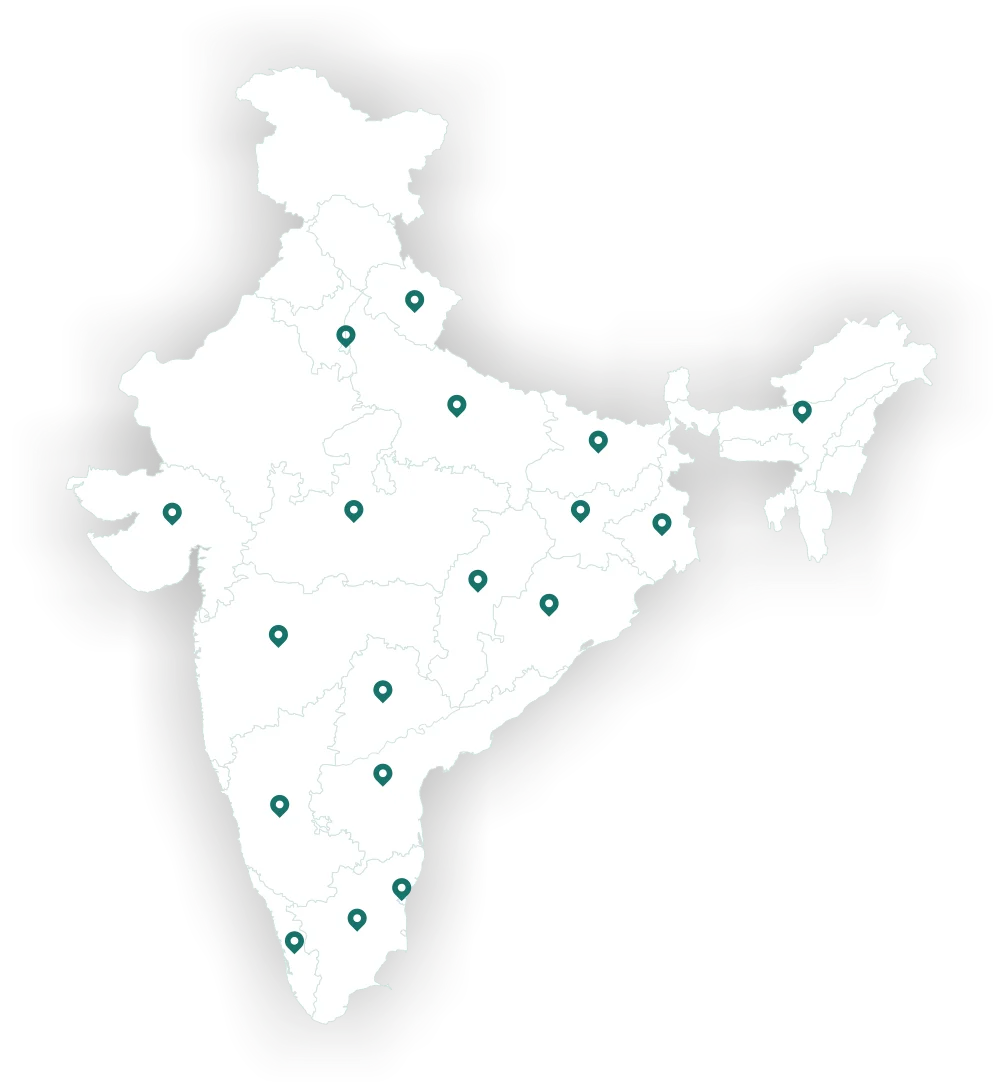
(Andhra Pradesh, Assam, Bihar, Chhattisgarh, Gujarat, Jharkhand, Karnataka, Kerala, Madhya Pradesh, Maharashtra, New Delhi, Odisha, Puducherry, Tamil Nadu, Telangana, Uttar Pradesh, Uttarakhand and West Bengal)

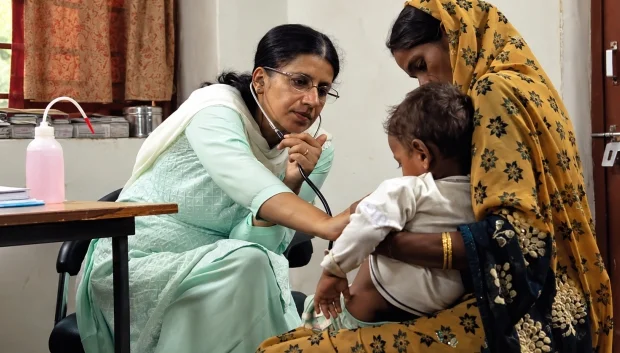
healthcare outpatient services and consultations
(for health check-ups, counselling, patient care and social security facilitation for the elderly)

covered under public health awareness campaigns

covered under training and capacity-building programmes
screened for Non-Communicable Diseases
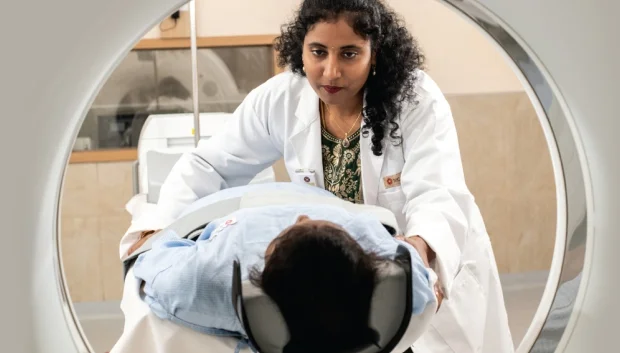
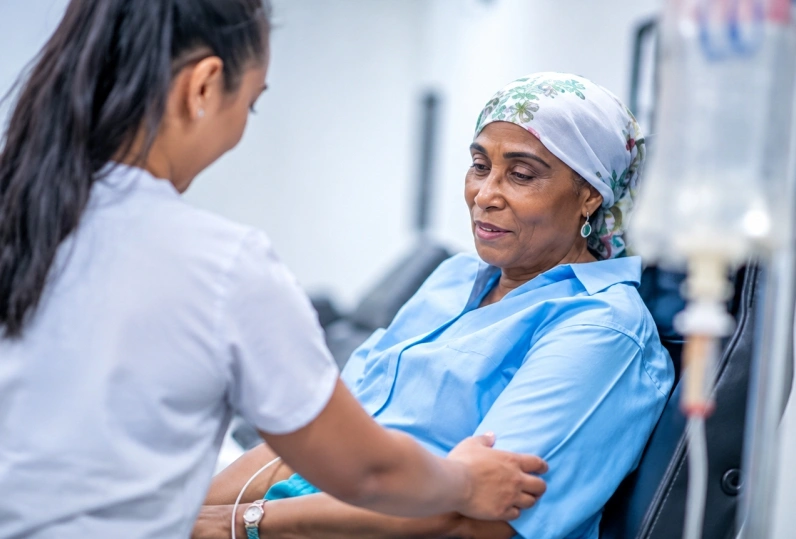
provided services in cancer care hospitals under the Cancer Care Programme

A few structural gaps that run through the healthcare system and define where we choose to focus in the near future:
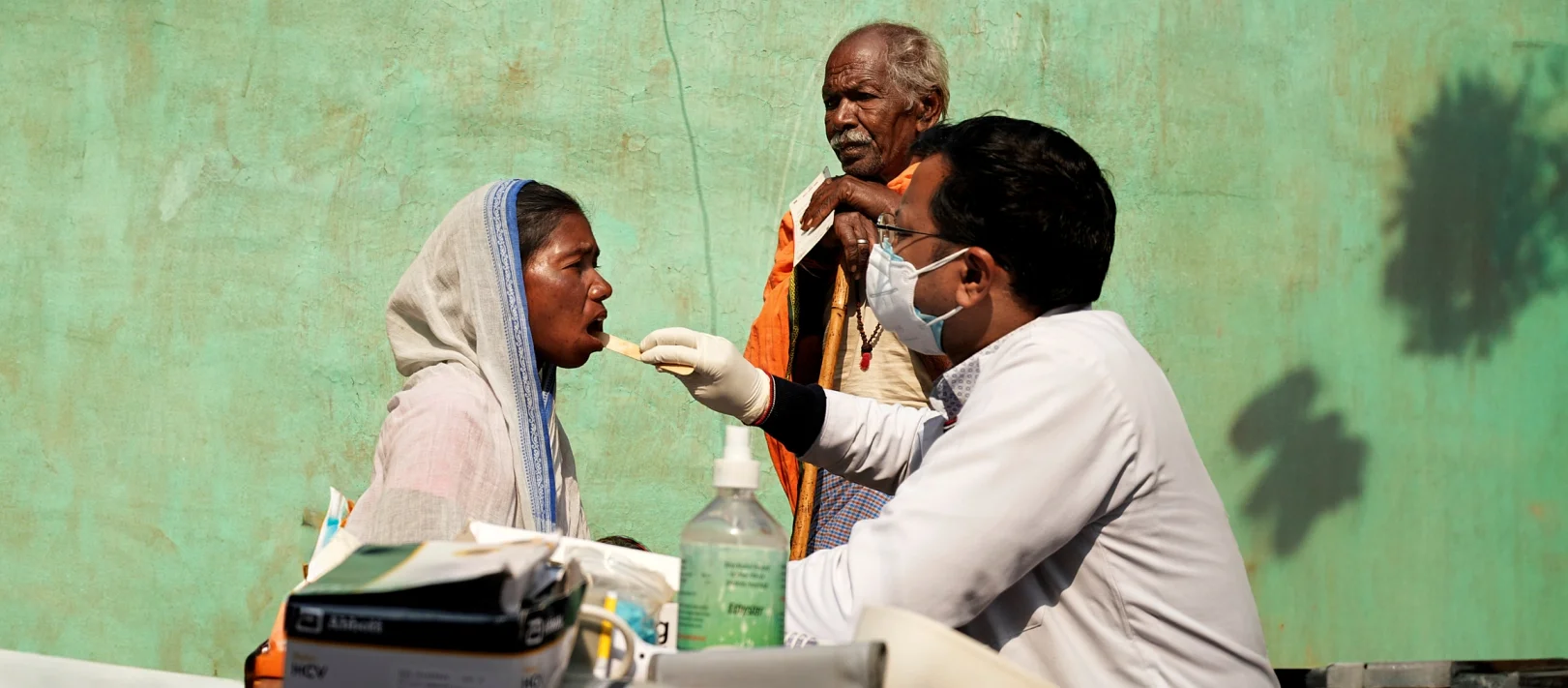
Weak diagnostic capacity, poor referral pathways, and broken continuity of care at the primary level, coupled with sharp urban–rural disparities in access to quality services and limited digital health adoption in the underserved geographies that need it most.
A persistent shortage of skilled health personnel, especially in rural, tribal, and peri-urban areas. Fragmented, siloed programme delivery that limits integrated impact.
High out-of-pocket health spending, nearly 40% of total health expenditure, makes healthcare affordability a significant challenge for many households.
The Tata Trusts' Healthcare strategy is built around a single, simple conviction, that improving access to timely, responsive, affordable, quality primary care is essential for addressing India's health burden across disease areas, geographies and generations.
In practice, this means working on four fronts at once:
Our strategy is delivered through five pillars that operate together across every key priority, at the community, facility, system, and innovation level:
Sustained engagement through ASHAs, ANMs, CHOs, and peer educators on nutrition, maternal health, immunisation, mental health stigma, and healthy lifestyles, the lowest-cost, highest-reach intervention available.
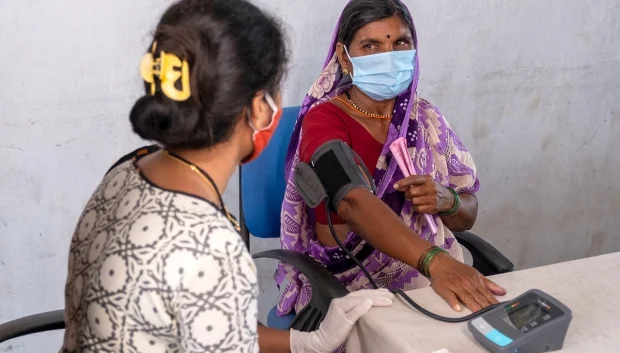
Universal, doorstep screening for NCDs, maternal-child conditions, communicable diseases, mental health, and geriatric conditions, so problems are caught before they become emergencies.
Seamless, tracked transitions from community to primary, secondary, and tertiary care, so no patient is lost along the way.
Upgrading facilities, training and task-shifting the workforce, fixing supply chains, and co-implementing with government so every model is built to be scaled by someone else.
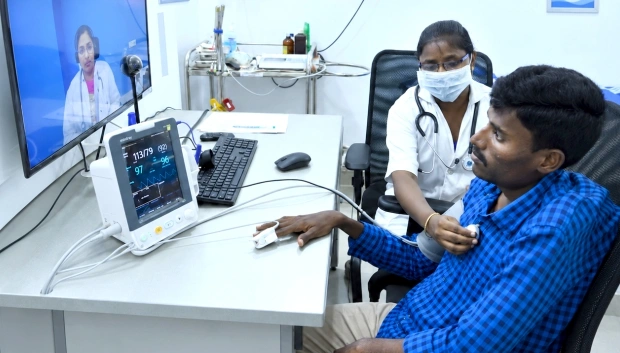
Using technology as a force multiplier through telemedicine hub-and-spoke networks, AI-enabled risk stratification, wearables and low-cost point-of-care diagnostics.
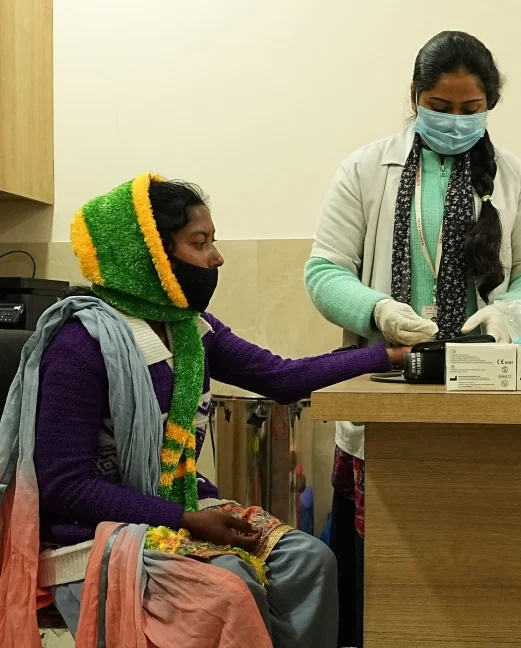
Our healthcare focus area is organised around three vertical key priorities and one horizontal platform that carries all of them. Alongside these priorities, the Tata Trusts' Cancer Care work focuses on building decentralised systems to make quality cancer care more accessible.
We measure success not only through the scale of our reach, but also through the lasting improvements we help create in people's health, well-being and access to quality healthcare. Our focus is on:

For people-
centred healthcare
systems
Making healthcare systems more inclusive, robust and responsive, with improved institutional capacity, a better equipped workforce, and scalable models that expand access to quality care.
For mothers
newborns and
adolescents
Ensuring better maternal, newborn and adolescent health outcomes through safer pregnancies, healthier births, stronger newborn survival, improved physical and mental well-being and greater access to essential healthcare and support services.

For people
living with NCDs
and cancer
Enabling early screening and long-term care for chronic conditions, leading to earlier diagnosis, better access to treatment, reduced financial hardship and improved quality of life through timely, continuous and patient-centred care.

For people
affected by communicable diseases
Earlier detection, better treatment outcomes and consistent, uninterrupted care, particularly for diseases that disproportionately affect vulnerable communities.

For
older adults
Greater access to dignified and age-appropriate care that supports healthy ageing, independence, mental well-being and quality of life.
Our geographic reach continues to evolve as new initiatives are launched, and existing programmes deepen and scale.