Introduction
to the Tata Trusts
Know the
work we do
Discover our impact
stories and campaigns
Publications
and reports
In the media
Opportunities
for impact





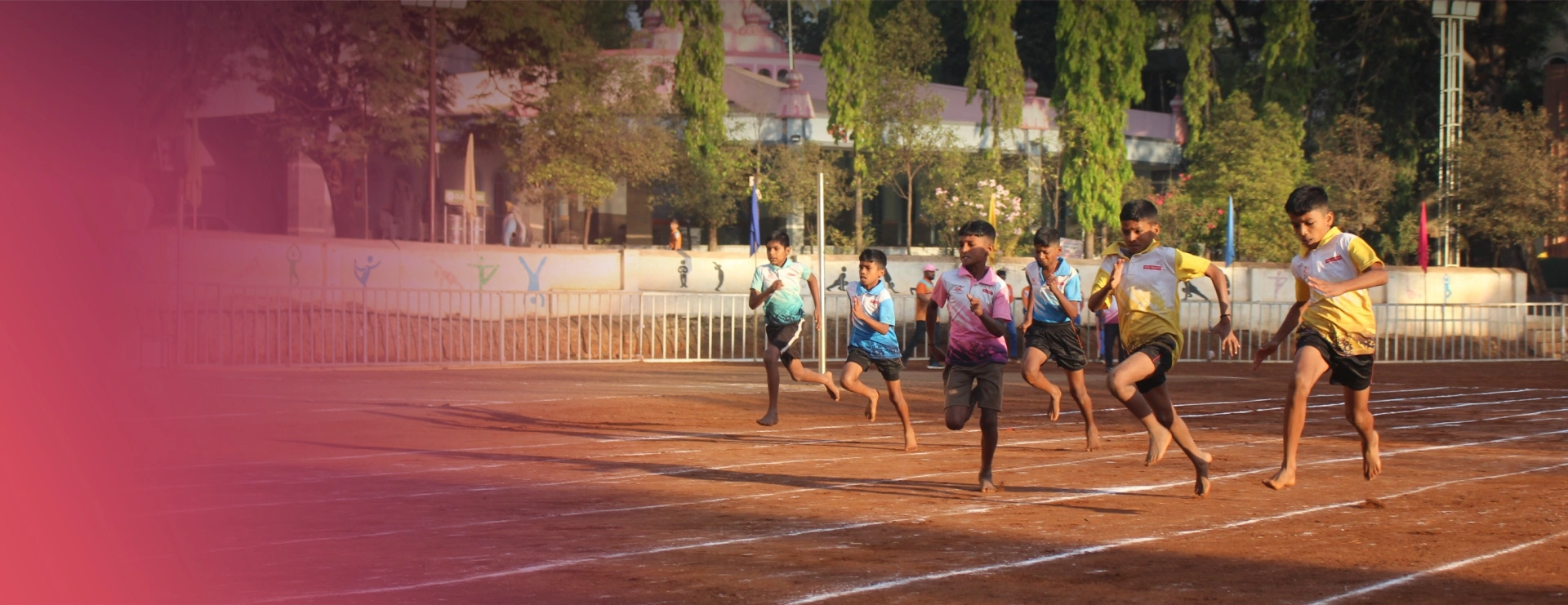
Building pathways to sport and careers
Children play sport for the joy of it. With time, it shapes how they think, work with others, and respond to challenges. It builds resilience, confidence, and belief in their own potential.
Many Indian sportspersons have come from modest backgrounds, yet access to regular sporting opportunities is still uneven for young people in underserved regions.
The Tata Trusts works to strengthen sport as a tool for individual and community development by introducing physical literacy early, enabling participation through community-led sports programmes, and building clear routes for talent to progress from local levels to higher competition.
The approach also expands inclusion for persons with disabilities and strengthens local capacity by developing coaches and sports professionals, contributing to a more accessible and sustainable sporting ecosystem.

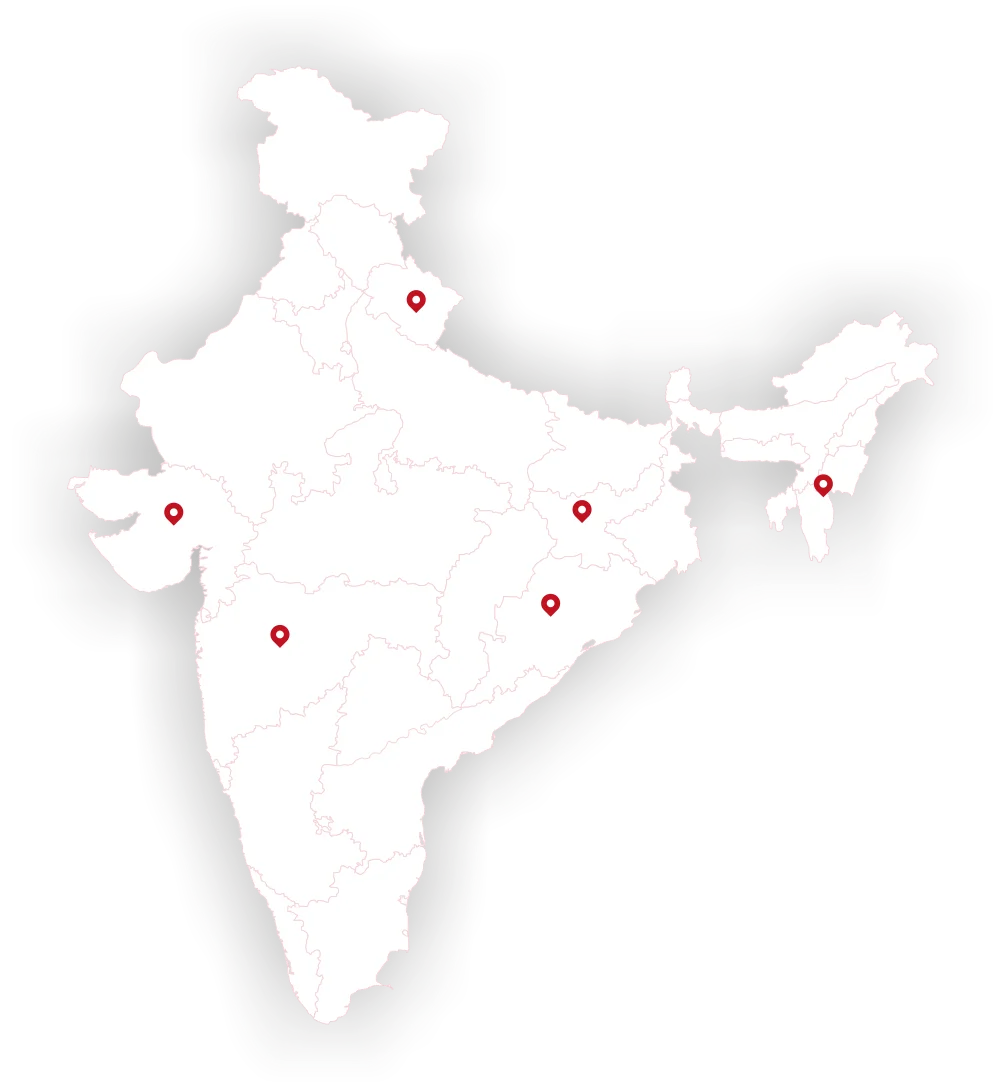
(Gujarat, Jharkhand, Maharashtra, Mizoram, Odisha and Uttarakhand)


(includes 28,057 children, of which 5,743 are girls; 879 youth made aware about careers in sports; 545 coaches/teachers and trainers developed)
Sporting potential is often lost early due to structural barriers in remote regions. While India's sporting performance has steadily improved, investment and support remain concentrated at the elite level, leaving the grassroots ecosystem underdeveloped and limiting the pipeline of future talent.
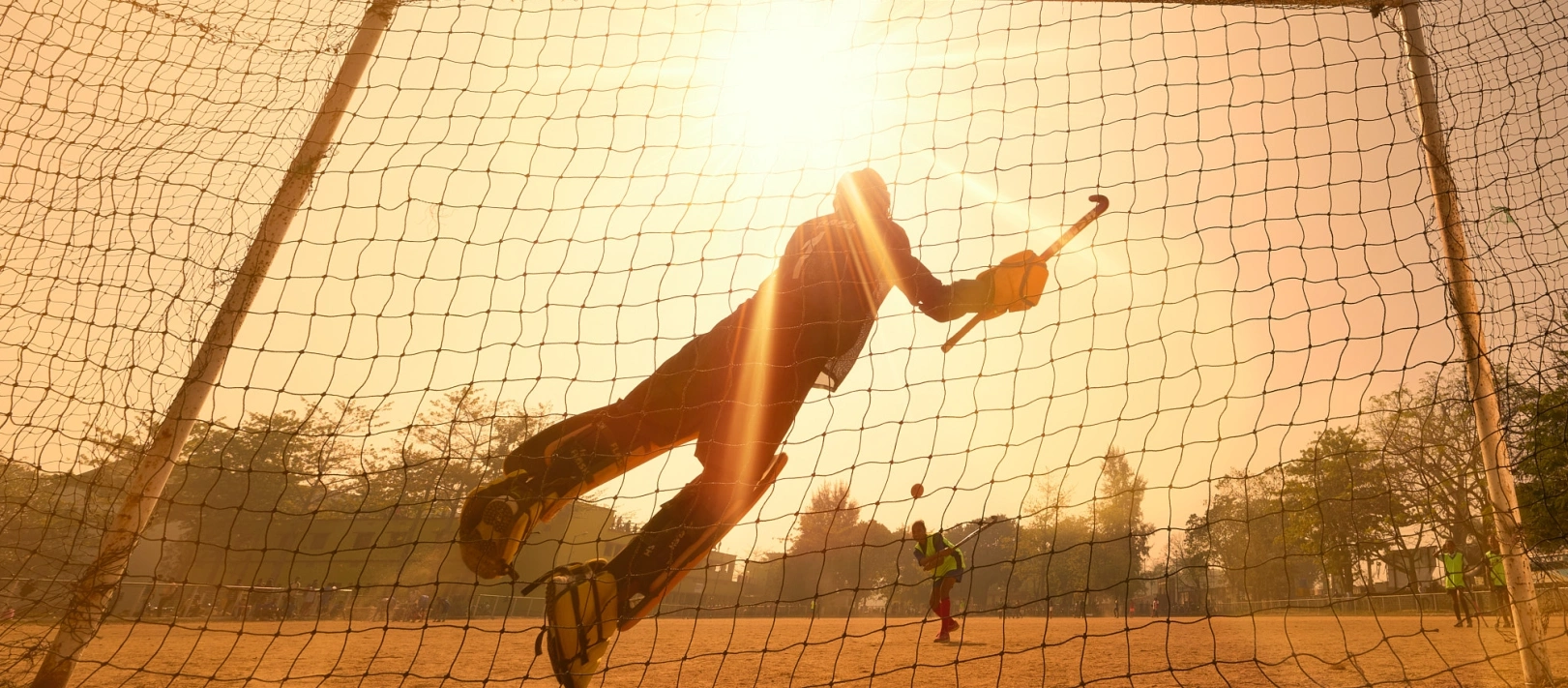
Rural and tribal communities have sports and physical activity embedded in everyday life, helping develop strong physical abilities and athletic potential. However, limited access to structured training, quality coaching, and athlete development pathways often leaves this potential unidentified. Supporting these communities creates opportunities to discover and nurture future athletes.
Community sports programmes face irregular funding and limited operational assist, affecting continuity and access.
Many young athletes exit sport during adolescence due to financial pressure, family constraints, and the absence of clear academic or career options linked to sport.
Local systems often prioritise events over longterm training and development, restricting sustained athlete development.
Gaps in trained coaches, capable local organisations, and awareness of sports-related careers limit the ability to build a strong and diverse sports workforce.
Limited adaptive infrastructure and support systems restrict meaningful participation for persons with disabilities across training and rehabilitation.
The Tata Trusts strengthen sport by focusing on how participation grows into performance through a connected system of learning, practice, and development across communities. The journey begins with physical literacy in early education where movement and sport become part of everyday learning in schools and communities.
Children then progress into community-level centres that offer regular training, shaped by community participation and local sporting ecosystems. For persons with disabilities, the journey begins in the rehabilitation centres where they are introduced to sport as a tool for holistic rehabilitation, improving mobility, physical health, psychological well-being, and social inclusion. Talented and interested athletes advance to regional development centres and centres of excellence, where training becomes more advanced and competitive exposure increases, along with continued academic mentoring.
This approach is strengthened through partnerships with communities, national and international experts, state bodies, and local institutions. Community-owned grassroots centres have strengthened local ownership and improved long-term sustainability. There is also a focus on improving local coaching capacity and creating livelihood opportunities within sport, so that coaching and training can continue within communities over time.
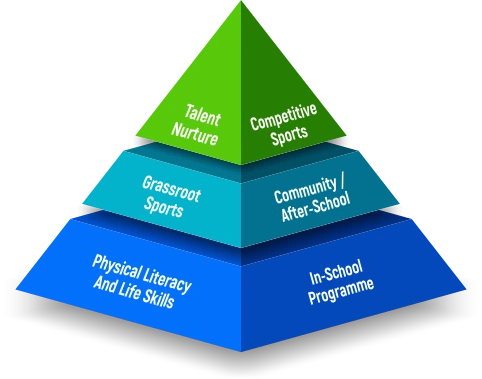
Our key priority areas are:
Our systematic efforts over the years have delivered measurable, deep-rooted transformations across the sporting landscape:

A well-defined physical literacy curriculum integrates sports and movement-based learning into school routines across states including Uttarakhand, Gujarat and Rajasthan. Aligned with NEP, it supports play-based learning and strengthens teacher capacity for active pedagogy. Initially introduced alongside Foundational Literacy and Numeracy interventions, its strong outcomes have led to its adoption as a mandatory part of Tata Trusts’ ECE and primary programmes. Sport is now becoming part of everyday learning, helping children develop holistically through movement rather than treating it as an external activity.

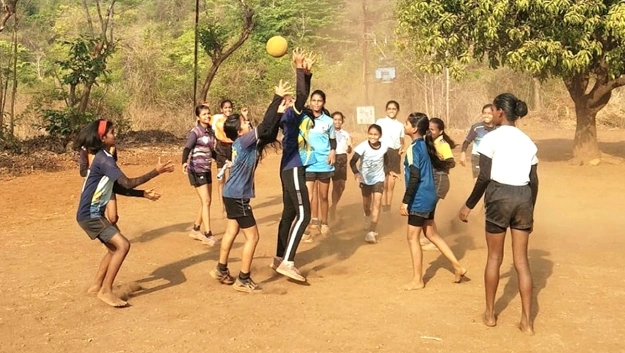
Formal, accessible sports programmes through community grassroots centres, set up in the rural areas, have increased participation and improved health outcomes, encouraging consistent participation, improved life skills and reducing sedentary behaviour. Across India, more than thousands of children are trained in foundational sports.

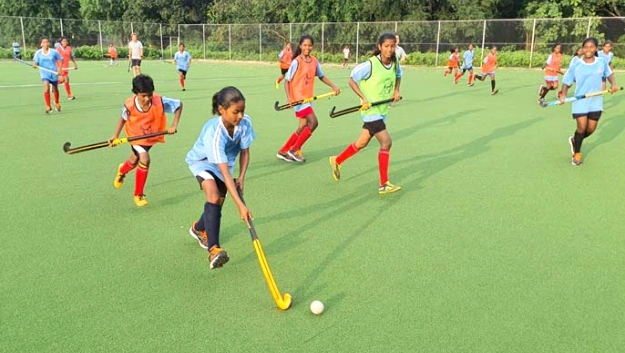
Organised talent building models have improved talent identification and reduced drop-offs. Regional Competitive Training Centres (RCTCs), established by The Tata Trusts, provide improved facilities and coaching to prepare emerging athletes for competitive sport. Community leagues and travel assistance to tournaments within and outside the state have deepened competitive exposure, enabling players across sports to progress to top academies nationwide.

Local coaching capacity has been strengthened through training and certification. Hundreds of coaches have been trained, improving access to quality coaching at the local level.

Collaboration with expert technical partners and local state bodies has strengthened proper training from the grassroots, digital tracking systems and assessment frameworks, enabling more planned athlete growth.

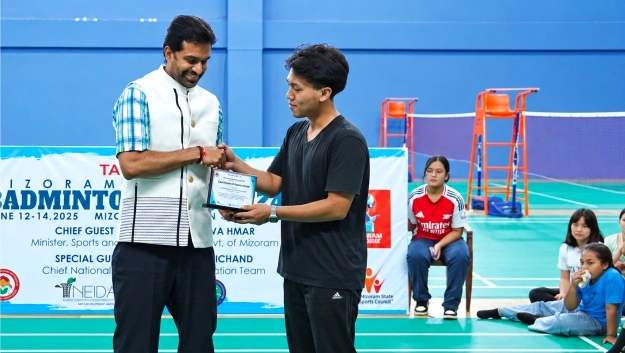
Athletes have progressed to national and international competitions, becoming role models who encourage more young people in their villages to take up sports. The programmes have produced six Junior National Badminton Champions and two Junior World Championship medallists. More than 35 badminton players, 22 hockey players and seven blind footballers have represented India internationally, while 21 have secured jobs through the sports quota in the Army, Navy, CISF and BPCL, demonstrating the long-term opportunities that sport can create.
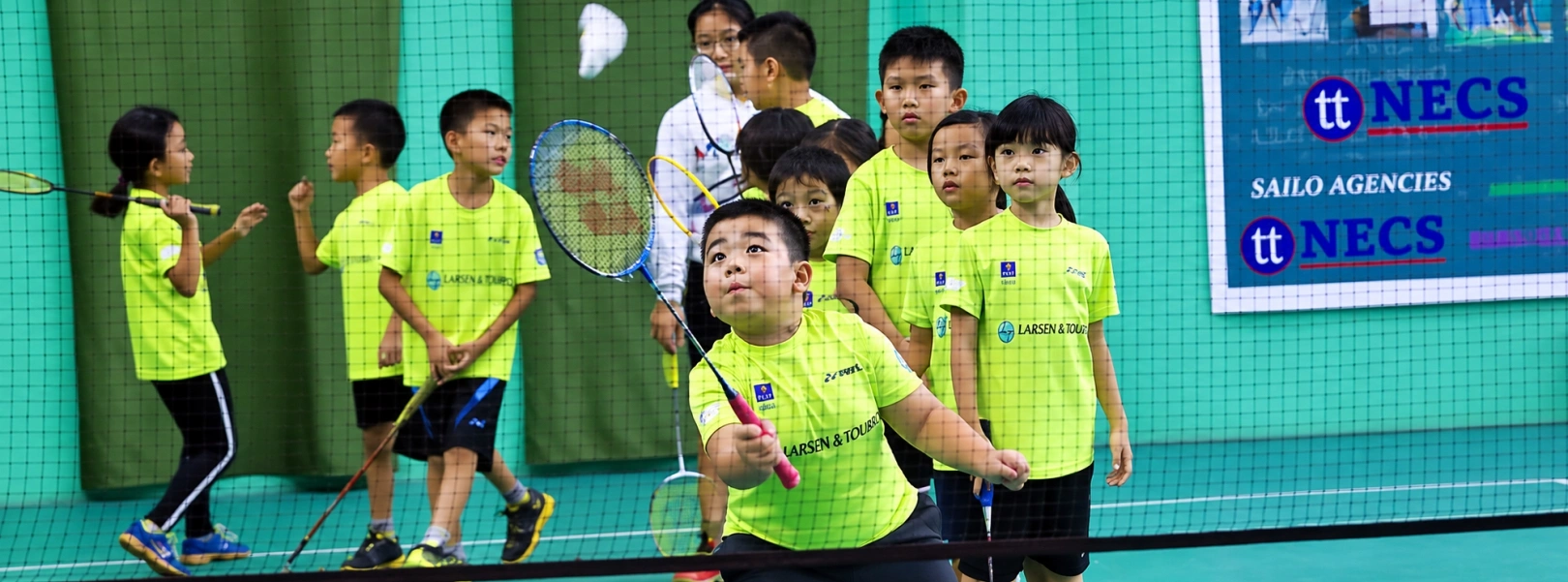
29,481 individuals, including 28,057 children and 5,743 girls, have gained access to structured sports training. By training local coaches, the programmes are strengthening community-level coaching capacity and enabling sustainable sports development. The Trusts had advanced blind football in Uttarakhand by nurturing visually impaired footballers through partnership with the National Institute for the Empowerment of Persons with Visual Disabilities in Dehradun.