Introduction
to the Tata Trusts
Know the
work we do
Discover our impact
stories and campaigns
Publications
and reports
In the media
Opportunities
for impact




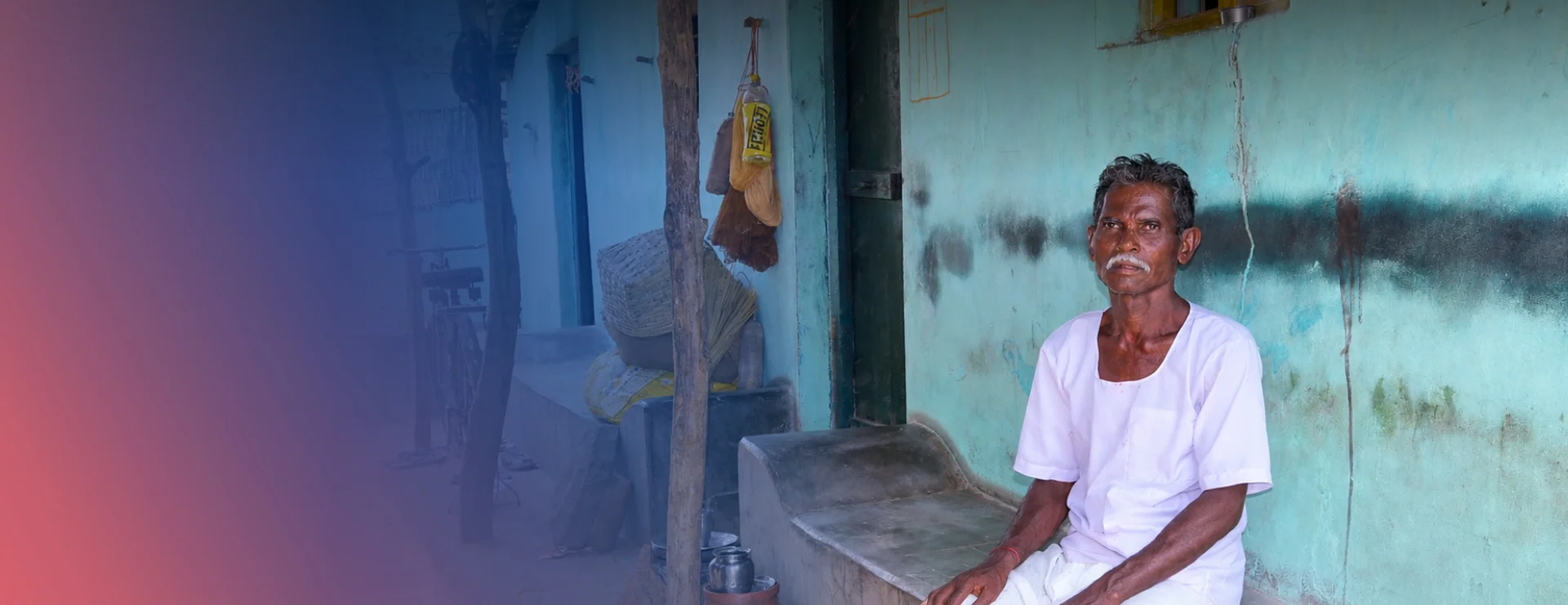
Diabetes, hypertension, cardiovascular disease, cancers, and chronic respiratory and kidney disease now account for 63% of deaths in India, and the burden falls hardest on lower-income households already stretched thin by out-of-pocket costs. Most of this is preventable through early detection and sustained management, exactly what a strengthened primary care platform is built to deliver.
Layered within this is a mental health crisis that remains largely invisible, 10.6% of Indians live with a mental health disorder, with a treatment gap as high as 92% and just 0.75 psychiatrists per lakh people against a WHO benchmark of 3. In rural and tribal India, stigma, including beliefs that attribute mental illness to spirit possession, keeps people from seeking help even where care exists.
And India is ageing faster than its care systems can absorb. The elderly population will reach 194 million by 2031; three in four already live with a chronic condition, and most depend on others for daily needs, often without a pension.
NCDs, mental health and elder care intersect constantly, in the same households and often the same individuals. A single, community-integrated, technology-enabled model, built on existing government infrastructure like Tele MANAS and the District Mental Health Programme, can close treatment gaps that have persisted for decades.
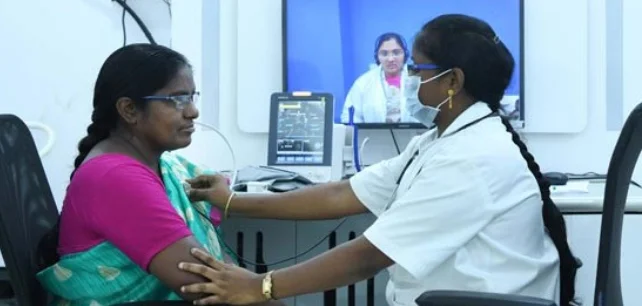
Supporting early identification and sustained management of diabetes, hypertension, respiratory and other chronic diseases. Strengthening systems that support continuity of care, treatment adherence and ongoing management of chronic conditions through primary healthcare platforms, particularly for populations with limited access to specialist care.
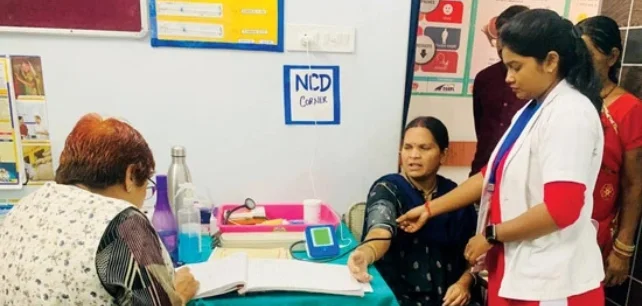
Supporting the Ministry of Health and Family Welfare's National Programme for Prevention and Control of Non-Communicable Diseases (NCD) through technical assistance to expand screening, enrolment and treatment under the Comprehensive Primary Healthcare platform.
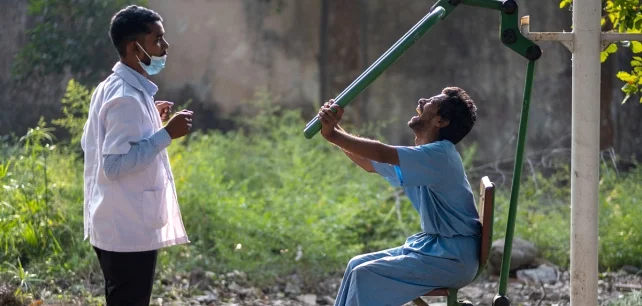
Mental health counselling for adolescents is embedded within the programme as a core priority, addressing anxiety, depression, and the pressures of transition into adulthood, with targeted attention to vulnerable groups.
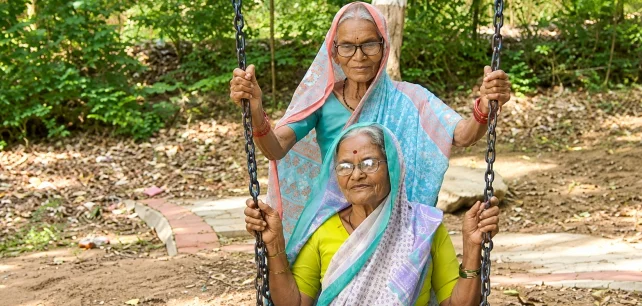
Promoting healthy and productive ageing through community-based eldercare models, caregiver support, dementia care and age-friendly health services, with a focus on improving quality of life and well-being for older adults.