Introduction
to the Tata Trusts
Know the
work we do
Discover our impact
stories and campaigns
Publications
and reports
In the media
Opportunities
for impact




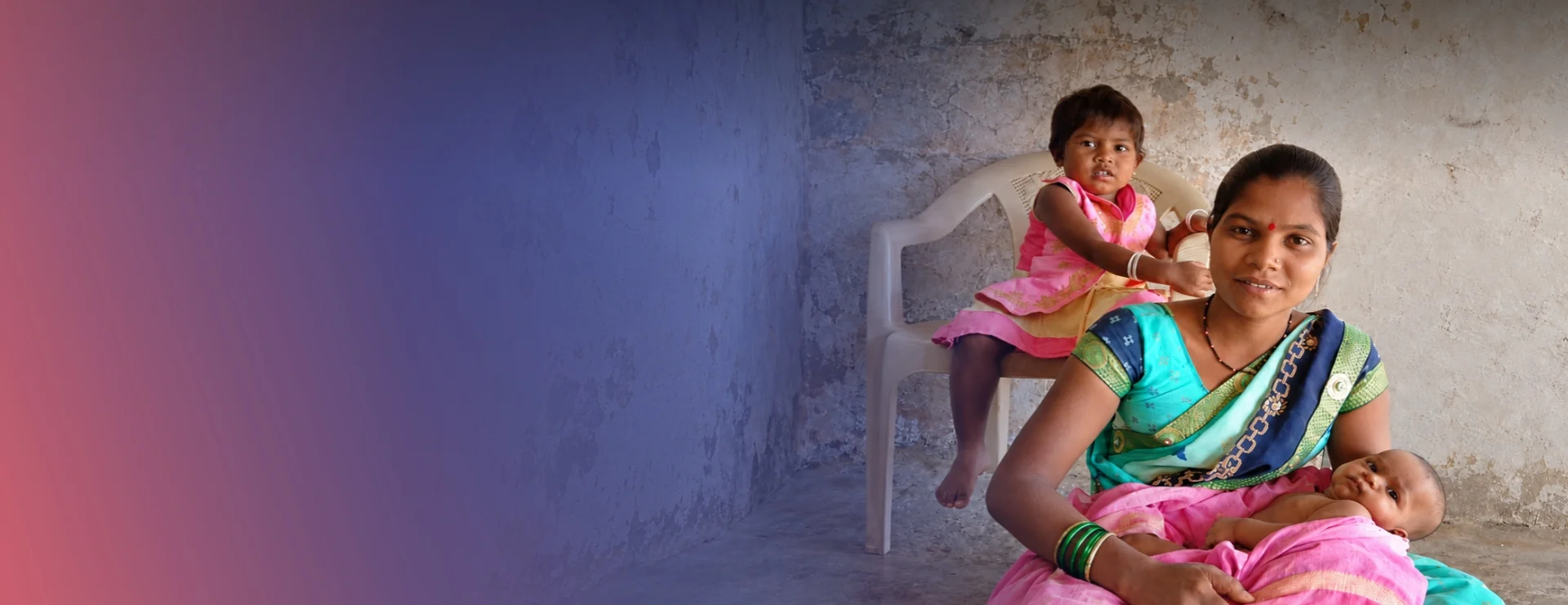
India has made landmark progress on maternal and child survival, with institutional deliveries now near universal. But the deeper, qualitative gaps remain, 57% of women are anaemic, nearly one in three of under-five children are stunted, and low birth weight and gestational diabetes continue to pass risk from one generation to the next. Adolescent health, including concerns around early marriage, anaemia, menstrual hygiene, reproductive health education, remains especially underserved.
The first 1,000 days of life deliver the highest long-term return of any health investment. By working across the full continuum, high-risk pregnancy identification, community-based antenatal care, breastfeeding support, immunisation, and newborn and adolescent care, we can shift outcomes at scale, using the community reach and institutional relationships the Trusts have built over decades.
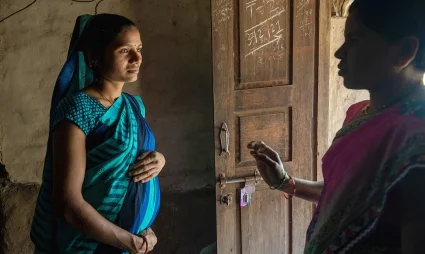
Supporting model delivery facilities and strengthening antenatal care through Behavioural Change Communication using digital technology platforms, equipping expectant mothers with the knowledge to seek timely, appropriate care. The programme targets institutional deliveries rising from 87% to 95% in rural programme areas.
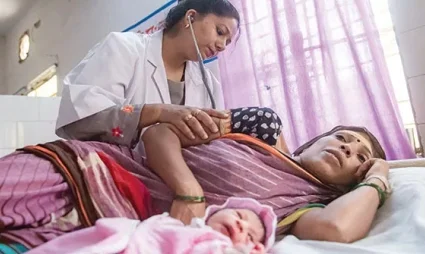
Enhancing post-partum care and follow-up systems to improve maternal recovery, newborn health, and continuity of care beyond delivery, addressing critical gaps in the postnatal phase where follow-up is weakest and risk remains high.
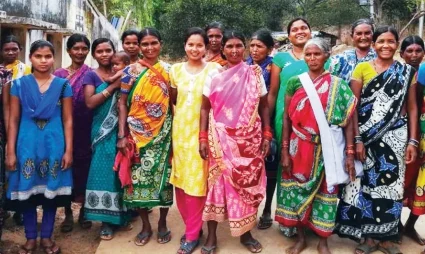
ASHAs, ANMs, and Anganwadi workers are the backbone of maternal and child health delivery. Building their capabilities through structured training, mentoring, and supported supervision is among the highest-leverage investments available. The programme focuses on both availability of adequate numbers and capability of the right competencies among frontline health workers.
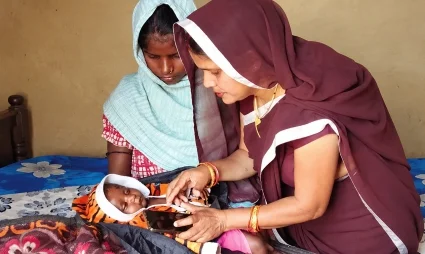
Promoting home-based neonatal care practices and deploying digital tools to track and refer sick neonates in geographies where hospitals are far and follow-up is weak. Consistent community-level action in the days immediately following birth is critical to reaching high child survival targets.
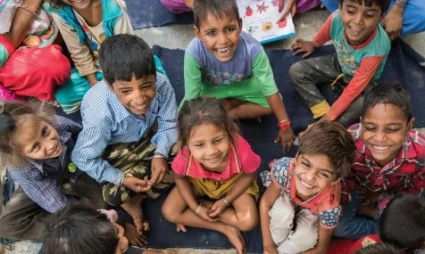
Building screening and referral systems for preventable blindness in newborns, focused on tribal and remote districts where specialist eye care is furthest away