Introduction
to the Tata Trusts
Know the
work we do
Discover our impact
stories and campaigns
Publications
and reports
In the media
Opportunities
for impact




To support the arts is to respect the past
and reimagine our future
Indian heritage, manifested in its arts and cultures, is one of the most complex and layered in the world. It reflects millennia of civilisational history, shaped by varied geographies and enriched by extraordinary diversity in language, religion and communities, across caste, class and tribe. The arts are more than creative expression; they are the threads that weave together identities and collective memory, connecting the individual to the community, the region and ultimately, the nation.
Culture is a living and evolving emotion, continuously enriched by every generation that inherits, interprets and reimagines it. In this sense, India's arts and cultures are akin to a Banyan tree. No two leaves are alike, yet each is connected to the branches that sustain the same tree. As new aerial roots emerge, they strengthen the tree, extending its reach while remaining anchored in its origins. Just like the Banyan tree provides succour to the weary, the arts are intrinsic to human well-being and identity.
This is achieved through long-term partnerships and layered programmes.
Strengthening India's arts and cultural ecosystem requires addressing a set of interconnected challenges:
Conventional distinctions such as contemporary versus traditional or folk versus classical continue to constrain artistic practice and limit the natural evolution of India's diverse cultural traditions.
Preservation efforts often focus on passive archiving, documenting or digitising traditions and identities. Propagation, on the other hand, is centred around event-based activities that present culture in simplified, standardised ways, overlooking the richness, nuance and diversity of India's artistic traditions.
Patronage often remains concentrated among those with greater financial means, limiting access beyond urban and privileged cultural circles and restricting both artistic participation and wider public engagement.
India's immense diversity across regions, communities and art forms calls for locally rooted approaches that reflect regional contexts and cultural specificities, making one-size-fits-all interventions ineffective.
Systemic gaps in arts education, professional training, welfare and research persist for practitioners, compounded by a societal mindset that favours stable, conventional careers that often relegate the arts to an extracurricular pursuit instead of an essential discipline.
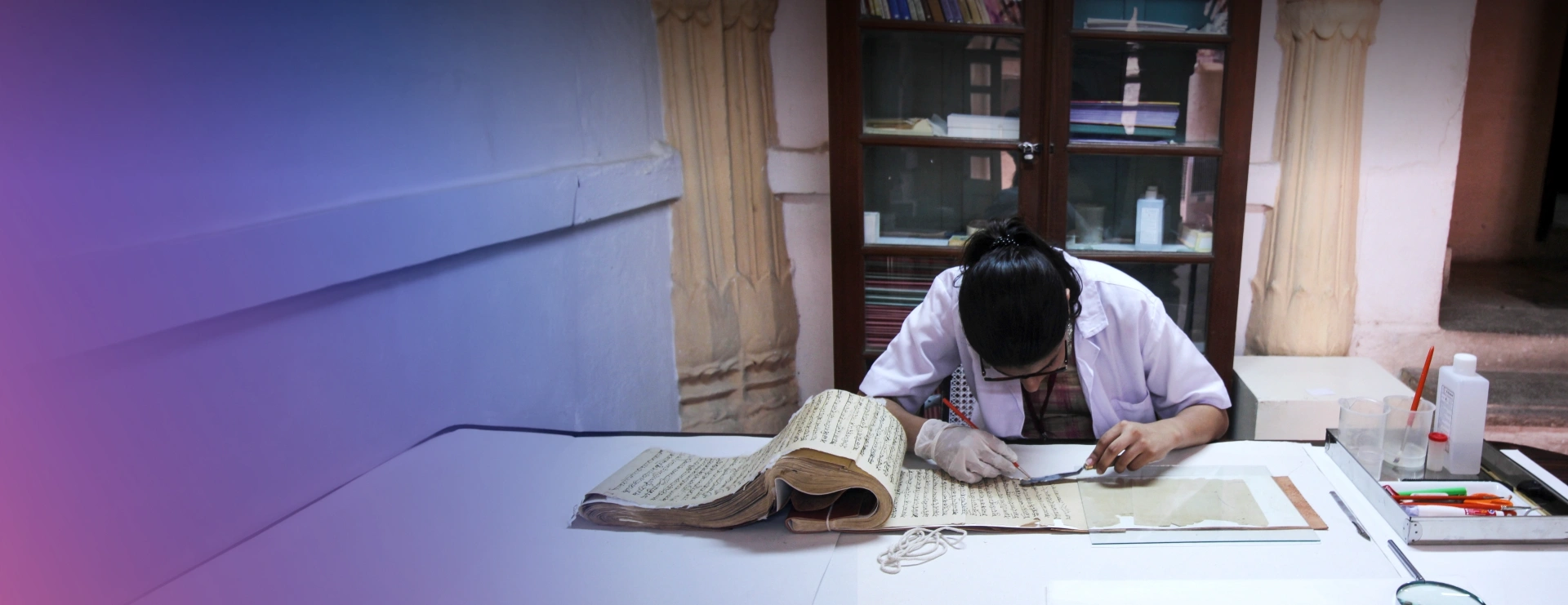
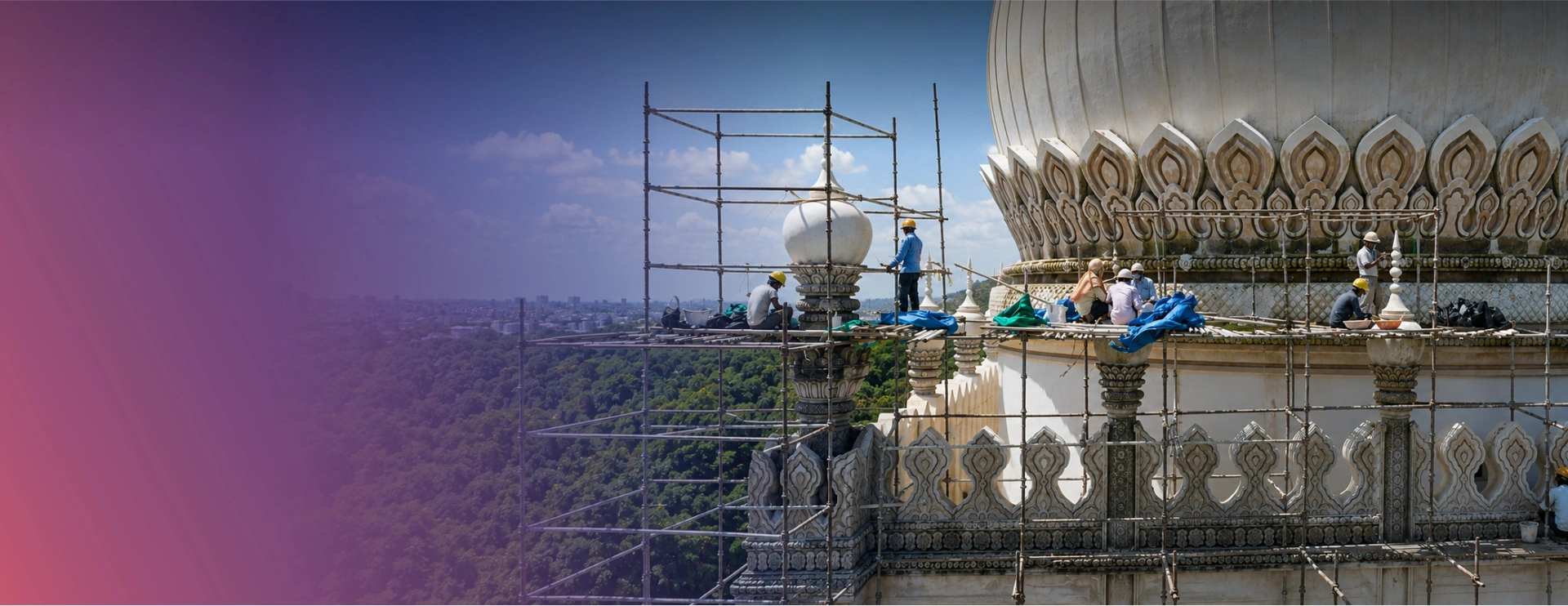
Working with artists, cultural institutions, academic organisations and community partners, the Trusts support initiatives that strengthen conservation practices, create learning opportunities, promote artistic excellence and foster greater public engagement with the arts. The approach also focuses on developing scalable models, advancing research and encouraging community stewardship to ensure India's cultural heritage remains vibrant, relevant and accessible for future generations.
Our key priority areas are:

(Pilot completed and Phase II ongoing)
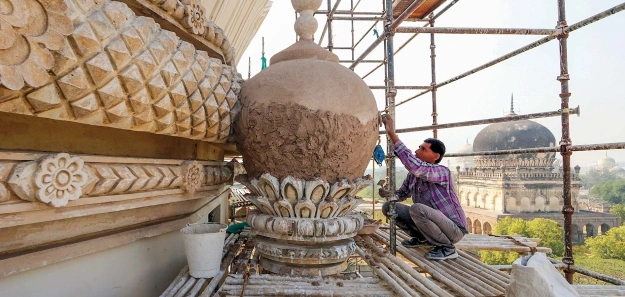
30 |
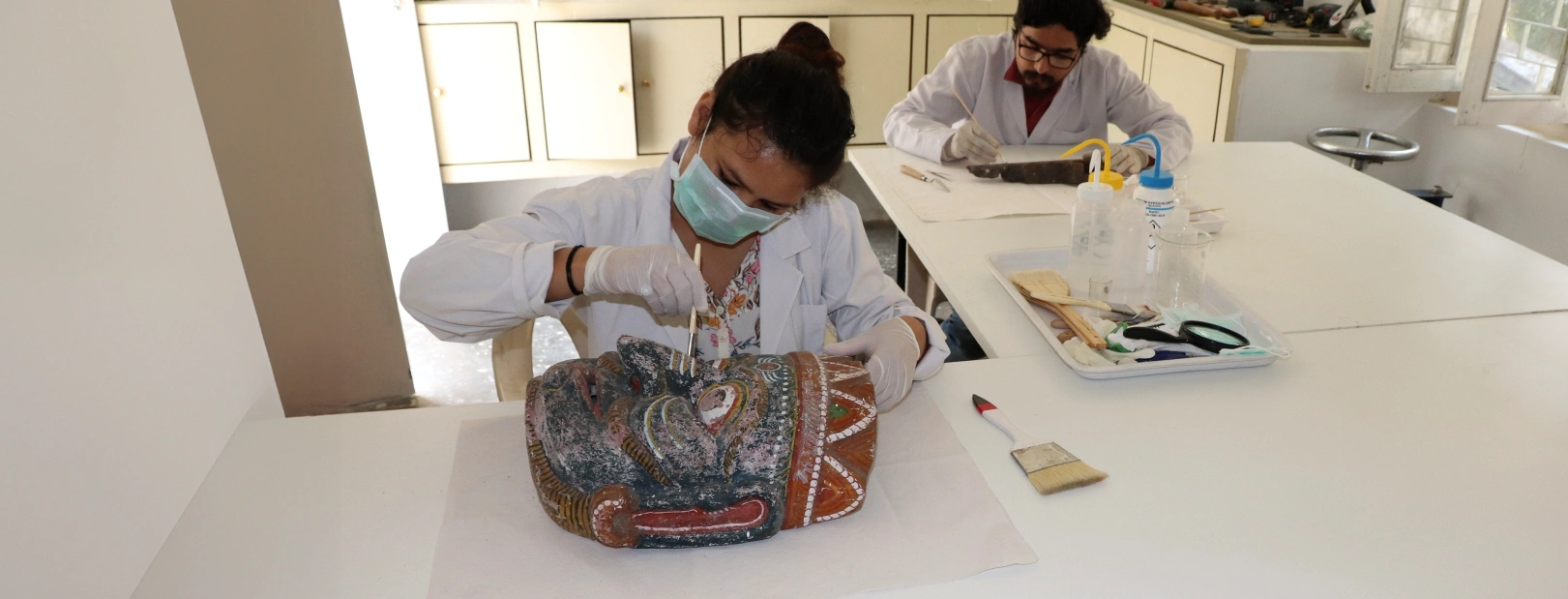
Historic artefacts conserved and 70 more to follow. | ||
4 |
Fellowships supported for the conservation of Thangka Paintings. | ||
2 |
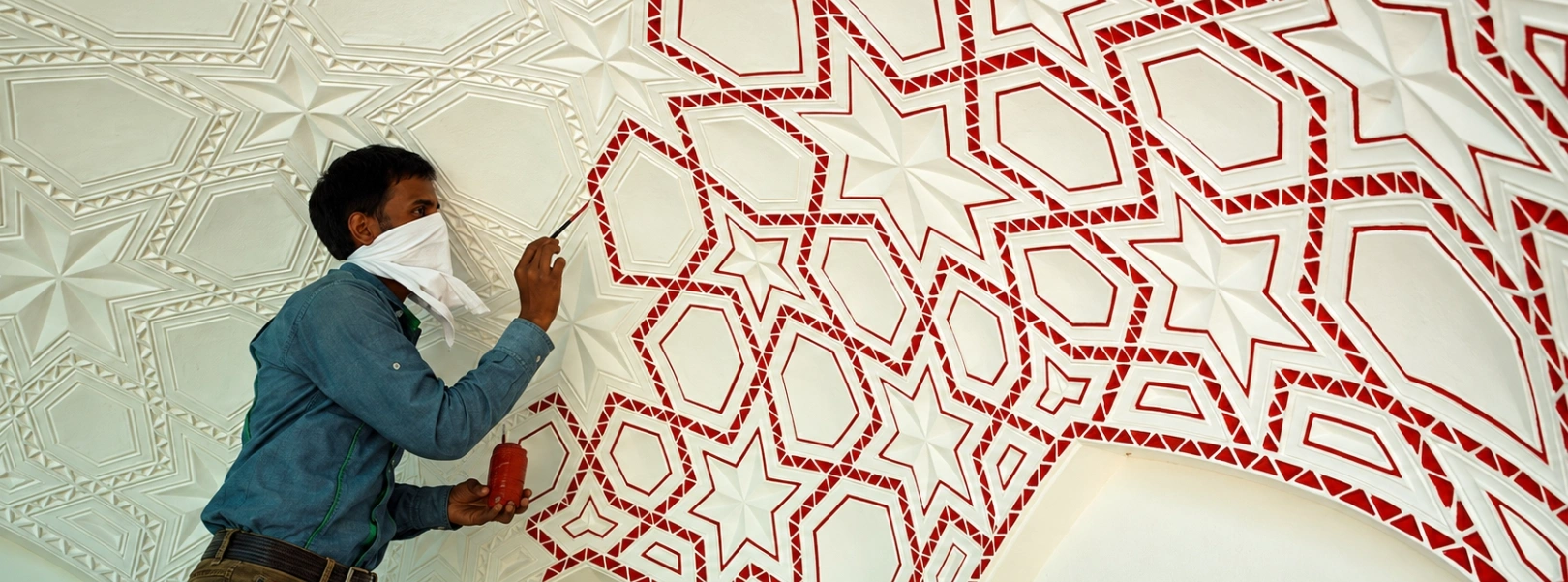
Historic wall painting sites conserved and 2 more to be addressed. |

(Pilot completed and Phase II ongoing)
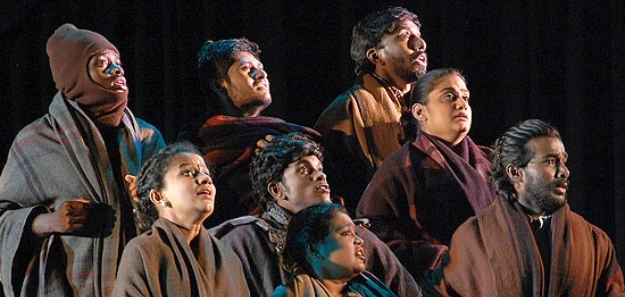
20 |
Tribal artist-fellows mentored for comprehensive music training and 60 more to be engaged. | |
3 |
Mainstream performance opportunities facilitated for trained artist-fellows and 9 more such platforms to be facilitated. |

(Pilot completed and Phase II ongoing)
80 |
Art colleges engaged. | |
70 |
Artworks produced by students. | |
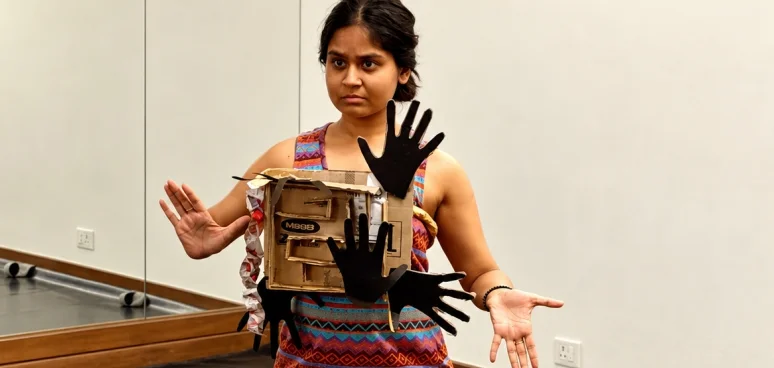
149 |
Art workshops conducted for school children through the Art By Children initiative. | |
10 |
Tata Trusts Students' Biennale International and National Awards bestowed. |
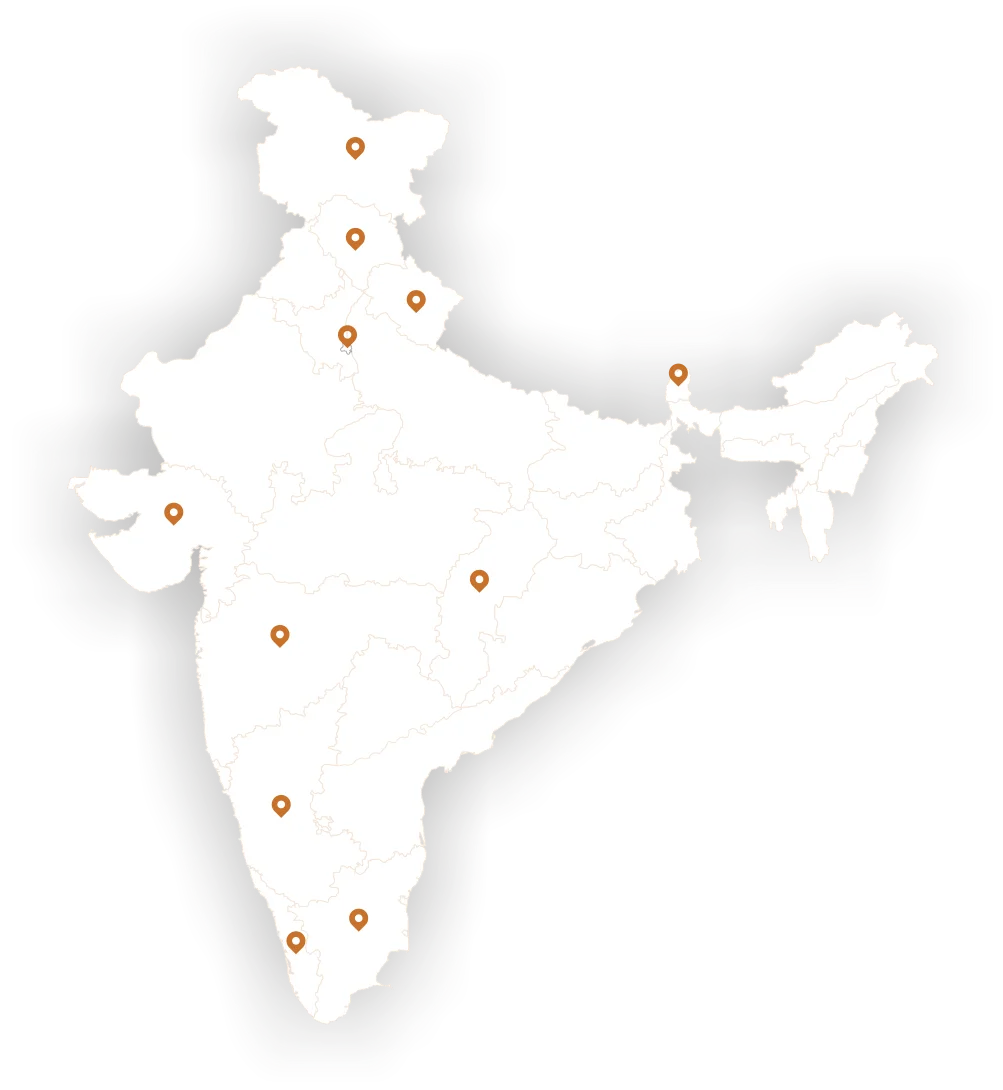
The Trusts' geographic reach continues to evolve as new partnerships are developed, and existing programmes deepen across regions.