Introduction
to the Tata Trusts
Know the
work we do
Discover our impact
stories and campaigns
Publications
and reports
In the media
Opportunities
for impact




What we nourish, nurture and care for today
shapes our communities tomorrow
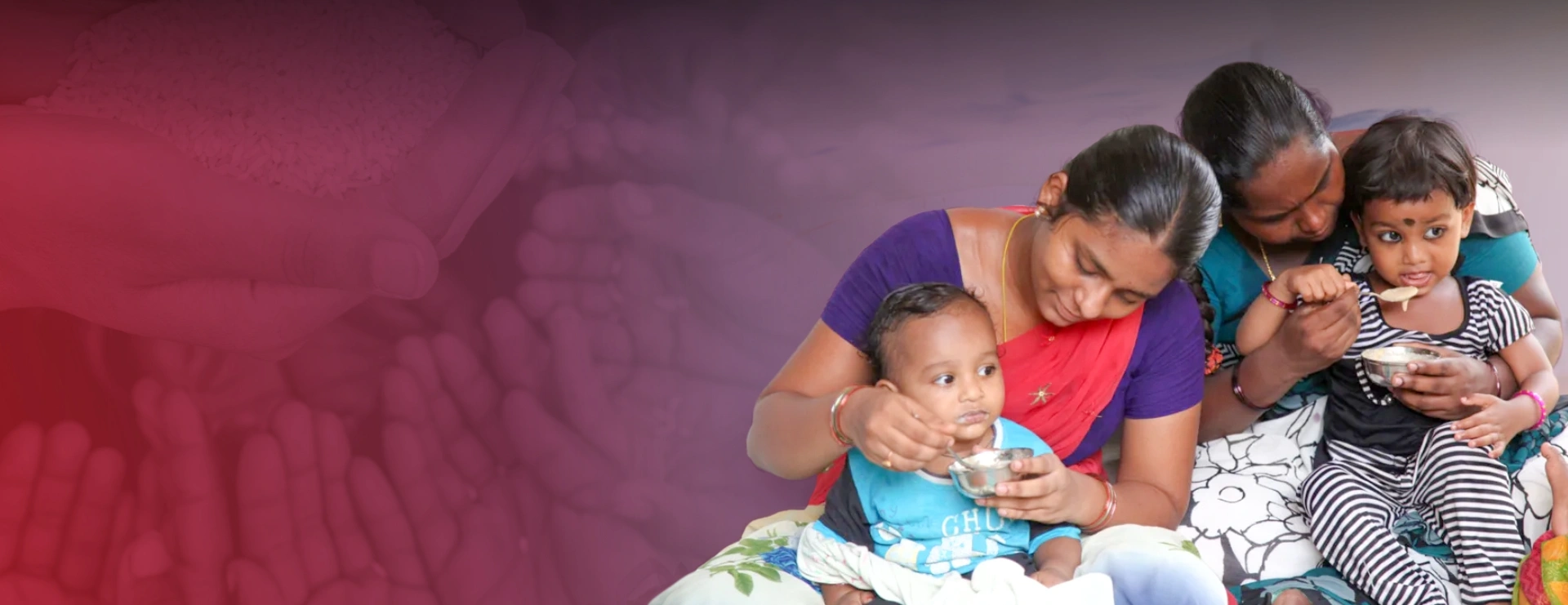
Nutrition is fundamental to human development, shaping survival, growth, cognitive development, educational attainment, productivity, and long-term health across the life course. Poor nutrition, from preconception, pregnancy, infancy and childhood through adolescence, adulthood, and older age, is associated with impaired physical growth and cognitive development, lower educational attainment, increased health risks like greater vulnerability to non-communicable diseases, and diminished quality of life. These outcomes are often exacerbated by persistent socioeconomic inequities, including poverty, limited decision-making power among women, social exclusion, geographic disparities, migration, poor living conditions, and inadequate access to essential services, which influence access to nutritious diets, healthcare, and opportunities for healthy development. Improving nutritional status can strengthen human potential, reduce the healthcare burden on households, enhance economic productivity, and help break intergenerational cycles of poverty and poor health.
Malnutrition is estimated to cost India up to 4% of its GDP annually and significantly undermine workforce productivity, highlighting the substantial economic returns from investing in nutrition.
Therefore, the framework for investing in nutrition at every stage of life and especially among vulnerable communities, contributes not only to individual health but also to stronger families, communities, and society at large.

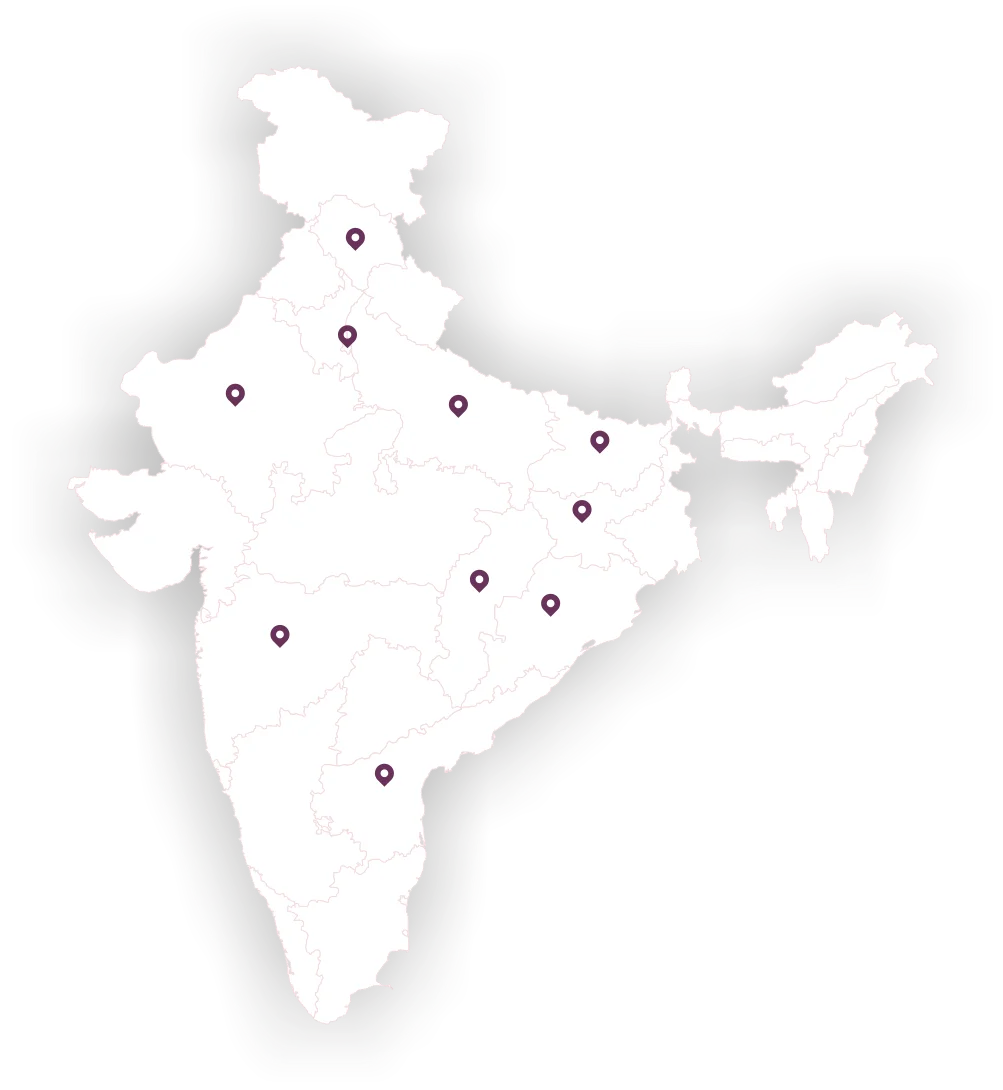
(Andhra Pradesh, Bihar, Chhattisgarh, Delhi, Jharkhand, Maharashtra, Odisha, Rajasthan, Uttar Pradesh and Himachal Pradesh)



[of these, children - 7,4,435; women (including pregnant and lactating) - 1,84,308; and adolescents - 23,825]

(Anganwadi Centres)
India is confronting a triple burden of malnutrition, where undernutrition, micronutrient deficiencies, and overweight and obesity coexist across populations. According to the National Family Health Survey (NFHS)-6, 2023-24, undernutrition among children remains a significant challenge, with high levels of stunting, wasting, and underweight persisting among children under five years of age. At the same time, data from NFHS-5 (2019-21) indicate that a large proportion of children, adolescent girls, and women continue to be affected by anaemia, while other micronutrient deficiencies remain a concern. Rising levels of overweight and obesity across age groups further underscore the complexity of India's nutrition landscape. This situation is compounded by poor diet quality and nutrient inadequacy, contributing to both communicable and non-communicable diseases. Unhealthy diets are a major risk factor for non-communicable diseases (NCDs), including obesity, diabetes, cardiovascular diseases, and certain cancers, which are increasing rapidly across India. Conversely, undernutrition weakens immunity and increases susceptibility to infections such as diarrhoea, pneumonia, and tuberculosis. In turn, these infections further worsen nutritional status through reduced dietary intake, impaired nutrient absorption, and increased nutrient requirements, creating a vicious cycle that underscores the need to address nutrition and disease together for better health outcomes.
Furthermore, as climate-related stresses intensify and disease patterns evolve, India's food and nutrition systems increasingly require integrated, evidence-based approaches that address both longstanding nutritional deficiencies and emerging health risks.
At the Tata Trusts, we act as an enabler, partnering with non-profit organisations, academic and research institutions, and government to build the nutrition ecosystem, turning evidence into scalable, life-stage-specific approaches and solutions for a healthier India.
Improving nutrition outcomes requires addressing interconnected challenges across the nutrition ecosystem that include:
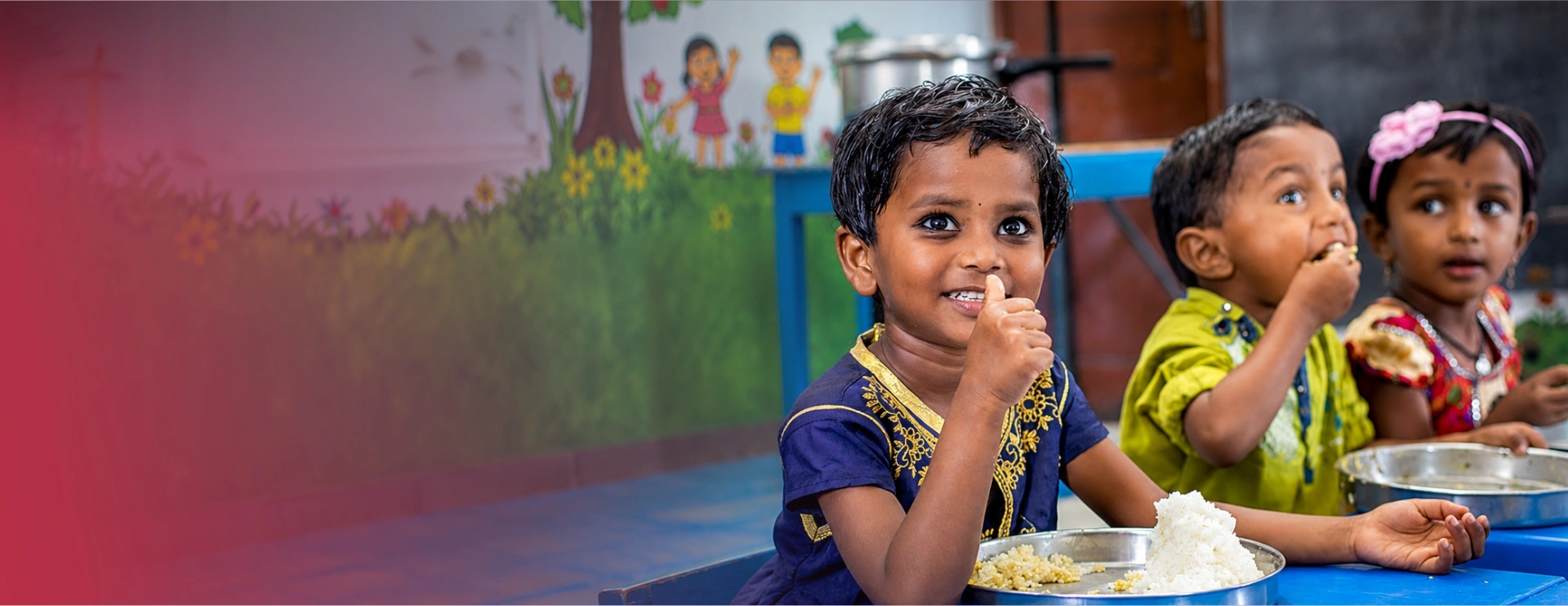
Many vulnerable communities face challenges in accessing and consuming safe, diverse, affordable, and nutritious foods due to geographical constraints, low purchasing power, limited availability, sociocultural factors, and inadequate awareness of healthy food choices. In many parts of rural India, diets remain heavily dependent on a narrow range of staple cereals and lack adequate dietary diversity. These challenges contribute to micronutrient deficiencies and undernutrition, including anaemia, growth faltering, and poor developmental outcomes. At the same time, increasing consumption of ultra-processed foods and unhealthy diets is contributing to rising levels of overweight, obesity, and other diet-related non-communicable diseases (NCDs). Together, these challenges underscore the triple burden of malnutrition, wherein undernutrition, micronutrient deficiencies, and overweight and obesity coexist within individuals, households, and communities.
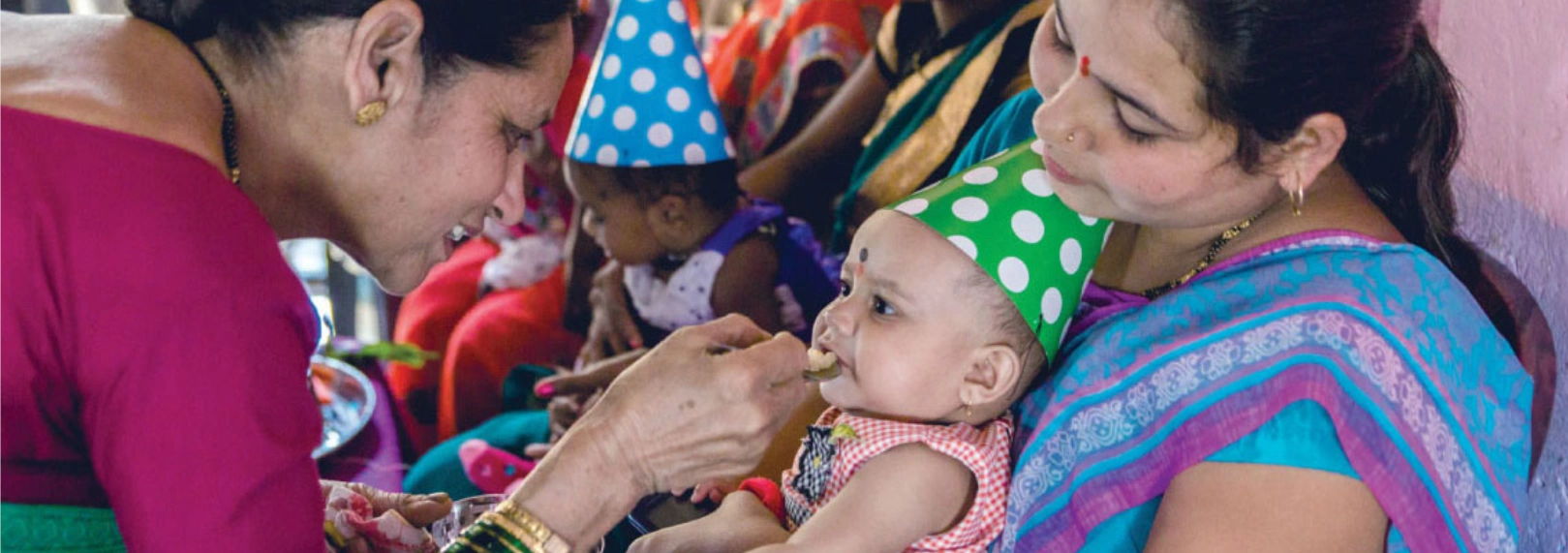
Nutritional needs evolve from pregnancy and early childhood through adolescence and adulthood, with each stage presenting distinct risks and opportunities. Yet interventions often address these stages in isolation, leaving critical windows without the attention they require. Nutritional deficits at one stage can influence health, learning, and productivity outcomes in subsequent stages of life, perpetuating cycles of poor nutrition across generations. A life-course approach that adapts to changing nutritional needs and supports individuals through key developmental transitions is essential for improving nutrition, advancing human development, and enabling people to achieve their full potential.
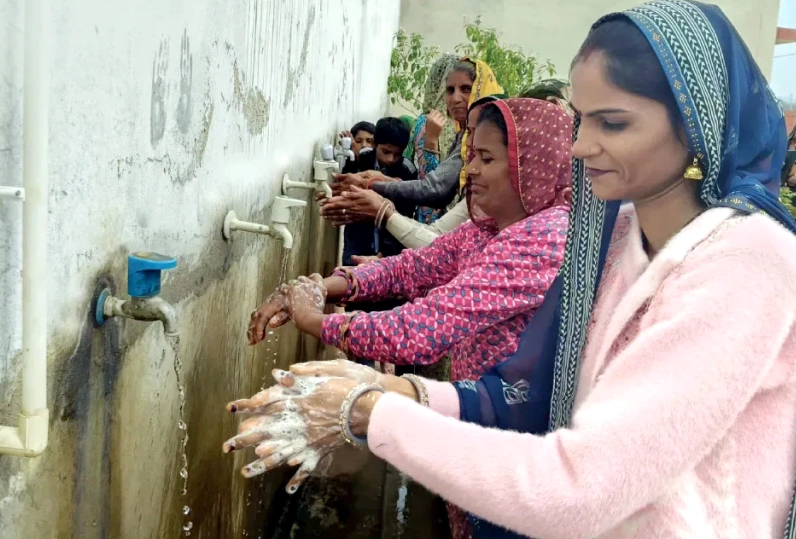
Limited awareness of healthy dietary practices and the risks associated with unhealthy diets often result in poor diet quality, inadequate dietary diversity, and suboptimal feeding and food-handling practices. Inadequate access to safe drinking water, sanitation and poor hygiene further increases the risk of recurrent infections, limiting the body's ability to absorb and utilise essential nutrients. Together, these related challenges contribute to the persistence of malnutrition and increase the burden of communicable diseases and diet-related non-communicable diseases across life stages. Addressing them requires integrated approaches that strengthen nutrition awareness, promote healthier dietary practices, improve household dietary diversity, and expand access to safe drinking water and sanitation.
Sustainable improvements in nutrition outcomes are held back by a disconnect between what communities grow, what they eat, what they can afford, and what is supplied through public systems. Addressing this fragmentation requires interconnectedness and better alignment between local food systems, public food distribution, neighbourhood food environments, local markets, and household consumption.
Recognising that malnutrition is multi-dimensional, the Tata Trusts adopt an evidence-led approach that enables solutions across life stages while strengthening the broader ecosystem that supports nutrition outcomes. It combines action to address immediate nutritional needs with efforts to build the systems that enable sustained improvements in nutrition.
To achieve this, we pursue four strategic objectives:
We are enhancing access to diverse, nutritious, and adequate diets by advancing nutrition-sensitive solutions across the life course and support a continuum of innovation, from proof-of-concept initiatives that test new approaches to the scale-up of proven and validated interventions that improve the availability, affordability, acceptability, and consumption of diverse and quality foods. By fostering informed dietary choices and addressing the nutritional gaps faced by vulnerable communities in high-burden geographies to achieve optimal nutritional status and better health outcomes, we address the underlying drivers of the triple burden of malnutrition.
We are aiming at fostering local food systems to enhance household-level food diversity by encouraging the consumption of locally grown biodiverse foods, demonstrating the salience of fruits, vegetables, milk, livestock, etc. Through the promotion of biodiverse agriculture, nutrition-sensitive production systems, and strengthened neighbourhoods, we seek to enhance household food and nutrition security. We support community institutions and local enterprises to increase access to nutrient-rich foods while generating demand for healthier diets. Together, these efforts contribute to improved nutrition outcomes and more sustainable food systems.
We are expanding the frontiers of nutrition science through research, data-driven insights, and precision nutrition, while fostering a community of practice that bridges evidence into practice. By connecting science, technology, policy, and implementation, we enable more effective solutions to address malnutrition and improve nutrition and health outcomes.
We are aiming at strengthening the nutrition ecosystem by empowering stakeholders with knowledge, enhancing capabilities, and cultivating strategic alliances that accelerate progress in addressing the triple burden of malnutrition. By fostering collaboration, knowledge sharing, and leadership, we strive to build a stronger foundation for improved nutrition outcomes across every stage of life.
Collectively, these strategic objectives and ecosystem enablers provide the framework for crosscutting approaches, by applying a gender-responsive, climate-informed, technology-enabled, and systems-oriented approach, and translating these into action across life stages.
In nutrition, our key priorities are:
We measure success in numbers as well as:

For
young children
Improved growth, reductions in stunting, wasting, underweight, and anaemia, and lasting improvements in energy density, dietary diversity and feeding practices.

For
pregnant women and mothers
Better gestational weight gain, improved screening and management of gestational diabetes mellitus, improving birth outcomes, including reducing low birth weight, and improved maternal nutritional status during pregnancy and lactation.

For
adolescents
Reduced anaemia, healthier dietary habits, and reduced risk of early-onset lifestyle-linked conditions.

For
vulnerable adults
Improved health and well-being outcomes for people affected by nutrition-linked conditions, such as non-communicable and infectious diseases, as well as for elderly people.

For
neighbourhoods
and communities
More resilient local food systems, greater household access to diverse and nutritious food, enhanced adoption of evidence-informed practices and augmented capacities among frontline workforce, partners, and government systems.
Our geographic reach continues to develop as new grants are initiated and existing programmes deepen.