Introduction
to the Tata Trusts
Know the
work we do
Discover our impact
stories and campaigns
Publications
and reports
In the media
Opportunities
for impact






The path to India's progress runs through its villages
Rural India is central to the country's economic and social future. Even as urbanisation accelerates, it is estimated that in 2040, nearly 60% of the population will continue to live in rural areas. This large rural population will continue to depend on rural landscapes, natural resources, and local economies for livelihoods and well-being.
At the same time, rural livelihood systems are under increasing pressure. Small and fragmented landholdings, exposure to climate variability, declining soil and water quality, and limited access to diversified income opportunities are making traditional livelihoods more vulnerable and uncertain. For many households, aspirations are rising faster than economic opportunities.
The challenge is particularly pronounced in ecologically fragile, rain-fed, and tribal regions, where livelihoods are closely tied to natural resources and remain highly exposed to environmental and market risks.
Any rural development endeavour therefore needs to focus on climate resilience and livelihood diversification, along with an emphasis on financial inclusion and women-led developmental approach.
The Tata Trusts work within this context as enablers, supporting community institutions, and civil society organisations to strengthen sustainable livelihood ecosystems and build resilient communities. The focus is on creating scalable models, strengthening local capacities, and reducing vulnerabilities. These efforts support pathways that help rural households move towards greater income security and well-being. Across interventions, the Trusts aim to support more stable, diversified and resilient income streams for rural households.

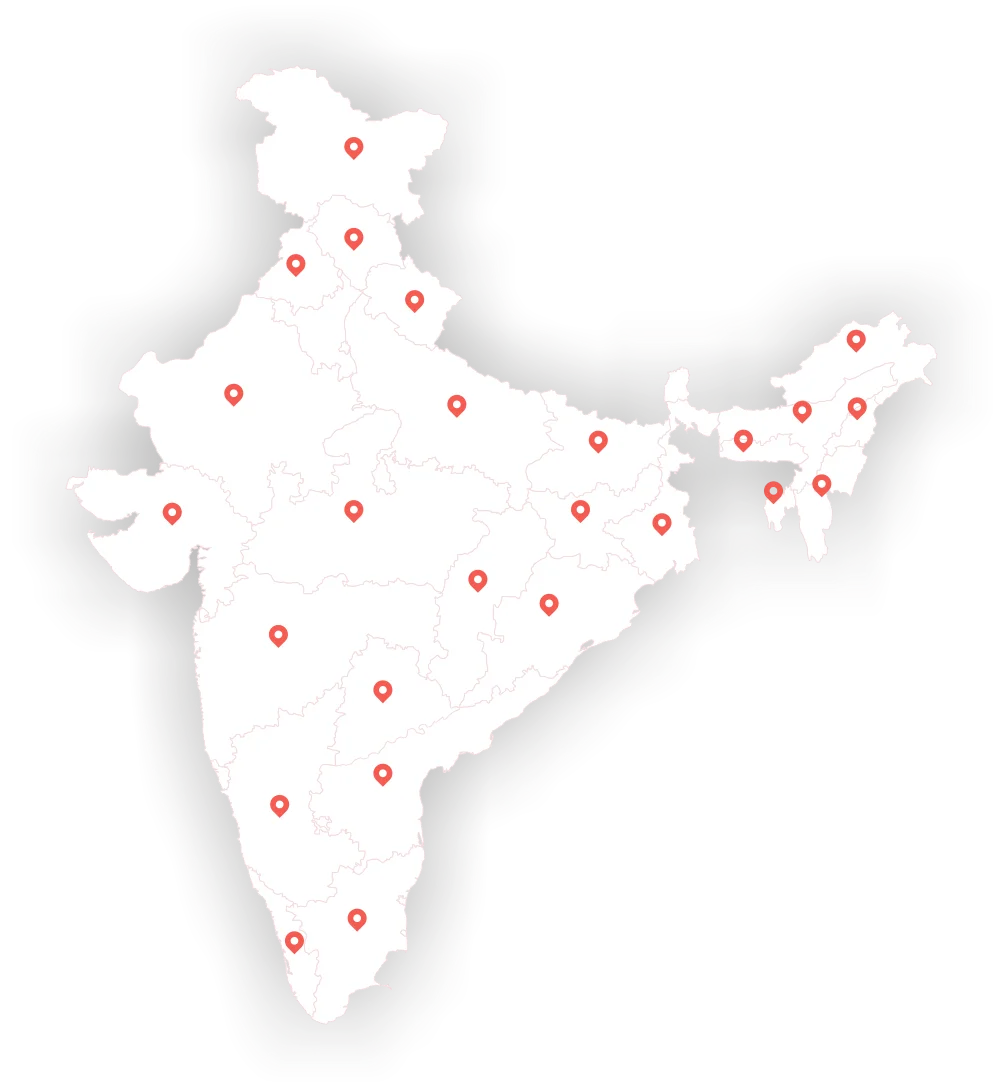
(Andhra Pradesh, Arunachal Pradesh, Assam, Bihar, Chhattisgarh, Gujarat, Himachal Pradesh, Jharkhand, Karnataka, Kerala, Ladakh (UT), Madhya Pradesh, Maharashtra, Meghalaya, Mizoram, Nagaland, Odisha, Punjab, Rajasthan, Tamil Nadu, Telangana, Tripura, Uttar Pradesh, Uttarakhand, West Bengal)




Addressing rural livelihoods in India requires navigating multiple, interconnected challenges:
A large share of India's agriculture remains dependent on rainfall, making rural livelihoods highly vulnerable to erratic monsoons, droughts, floods, and rising temperatures. Degradation of land, water resources, forests, and biodiversity is further weakening livelihood resilience in already fragile regions.
Small and marginal farmers, landless households, forest-dependent communities, and livestock rearers often operate with limited assets, low productivity, and high exposure to risk. Seasonal migration and income uncertainty have increasingly become part of rural life.
While aspirations among rural youth continue to rise, access to stable and dignified non-farm employment remains limited. Manufacturing and enterprise ecosystems in rural regions are still underdeveloped, restricting pathways for economic mobility and diversification.
Weak aggregation systems, inadequate processing infrastructure, limited market access, and uneven integration with formal value chains continue to be a major constraint.
Although financial inclusion has expanded significantly in recent years, access to affordable credit, financial capabilities, and secure digital financial systems remains uneven, particularly among vulnerable and remote communities.
Women, Persons with Disabilities (PwDs), Particularly Vulnerable Tribal Groups (PVTGs), and forest-fringe communities continue to face barriers in accessing livelihoods, services, and economic opportunities. In several geographies, increasing human-wildlife conflict is also affecting livelihoods, safety, and household stability.
Recognising the interconnected challenges in rural livelihoods, the Tata Trusts' approach focuses on strengthening livelihood systems that are more resilient, inclusive, and environmentally sustainable. Across the key priorities, the Tata Trusts' programmes place strong emphasis on financial inclusion and greater participation of women, Persons with Disabilities (PwDs), Particularly Vulnerable Tribal Groups (PVTGs), and ultra-poor households. The efforts focus on improving access to financial services, strengthening community institutions, deepening access to government schemes and entitlements, and enabling greater economic agency and resilience.
The Trusts' key priorities are:
We measure success in numbers as well as:

The Trusts support the exploration, piloting, and scaling of both traditional and emerging livelihood models that strengthen and diversify rural incomes. The efforts focus on improving the resilience, stability, and sustainability of household livelihoods across farm, livestock, and non-farm sectors.

The Trusts' approach aims at plugging critical sectoral gaps by building strong institutions, strengthening local capacities, and fostering innovation. Through partnerships, technology, and community-led systems, they work to create enabling ecosystems that support sustainable and scalable rural development.

The Tata Trusts work towards improving agency, voice, and decision-making power within communities, particularly for women and underserved groups. The focus is on strengthening access to government entitlements, financial resources, and opportunities that reduce vulnerabilities and enable greater social and economic participation.
The geographic reach continues to evolve as new partnerships are developed, and existing programmes deepen across regions.