Introduction
to the Tata Trusts
Know the
work we do
Discover our impact
stories and campaigns
Publications
and reports
In the media
Opportunities
for impact




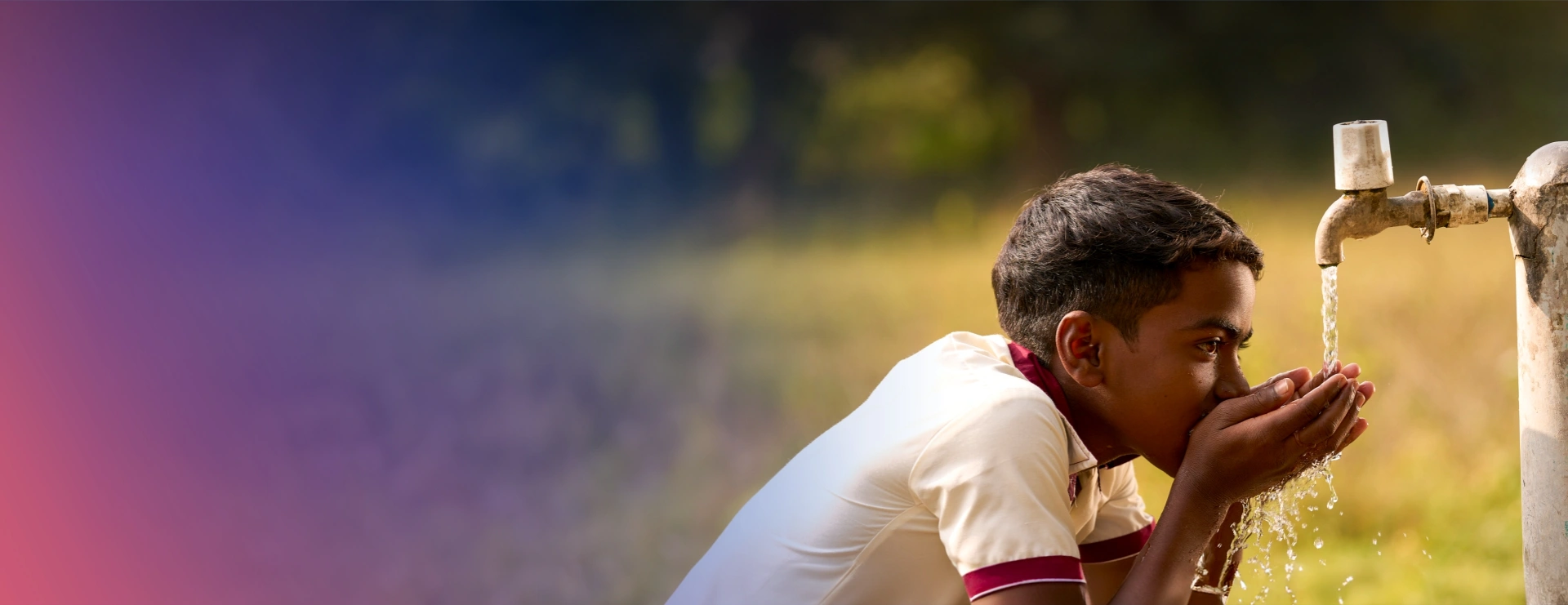

Strengthening wash systems for a water-secure nation
Water, sanitation, and hygiene (WaSH) remain one of India's most pressing development challenges. Growing water stress, declining water quality, climate variability, and gaps in sanitation continue to affect health, livelihoods, dignity, and resilience, particularly among vulnerable communities.
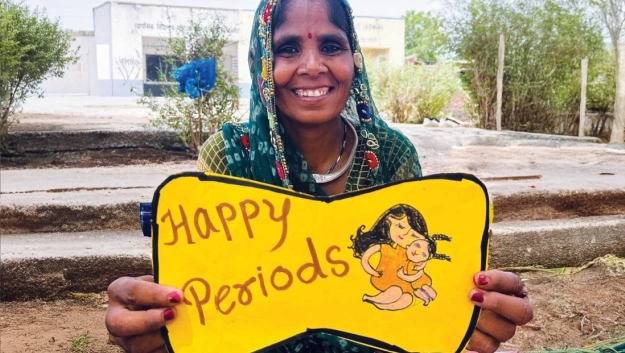
Nearly 600 million people in India face high to extreme water stress due to declining groundwater and increasingly uncertain rainfall. By 2030, water demand is expected to exceed available supply, intensifying pressure on agriculture, industry, and cities. At the same time, inadequate sanitation and hygiene continue to fuel disease and disrupt education, with women and girls bearing the greatest burden from limited access to safe sanitation and menstrual hygiene.
Addressing these interconnected challenges requires a shift from infrastructure delivery to integrated water system governance as a core pillar of nation building.
The Trusts act as an enabler by strengthening local institutions, knowledge, and practices that keep systems functional beyond programme lifecycles. Scientific planning, participatory design, innovative technologies, and behaviour change are brought together into a single integrated approach that responds to local needs and conditions. The goal is to build healthier, more equitable, and climate-resilient communities aligned with SDG 6: Clean Water and Sanitation for All.





(includes 208,147 women/adolescent girls and 10,802 frontline workers)
Mission
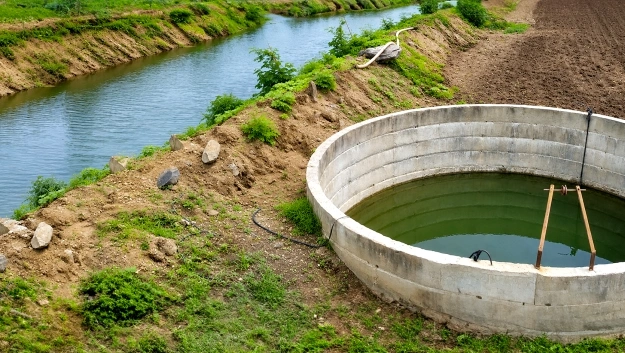
India's water and sanitation challenges are deeply interconnected and increasingly shaped by climate variability. Building a resilient WaSH ecosystem requires integrated, system-wide solutions that advance water circularity, maximising water storage and efficiency, resource recovery, and recycling to reduce freshwater demand and strengthen long-term water security.
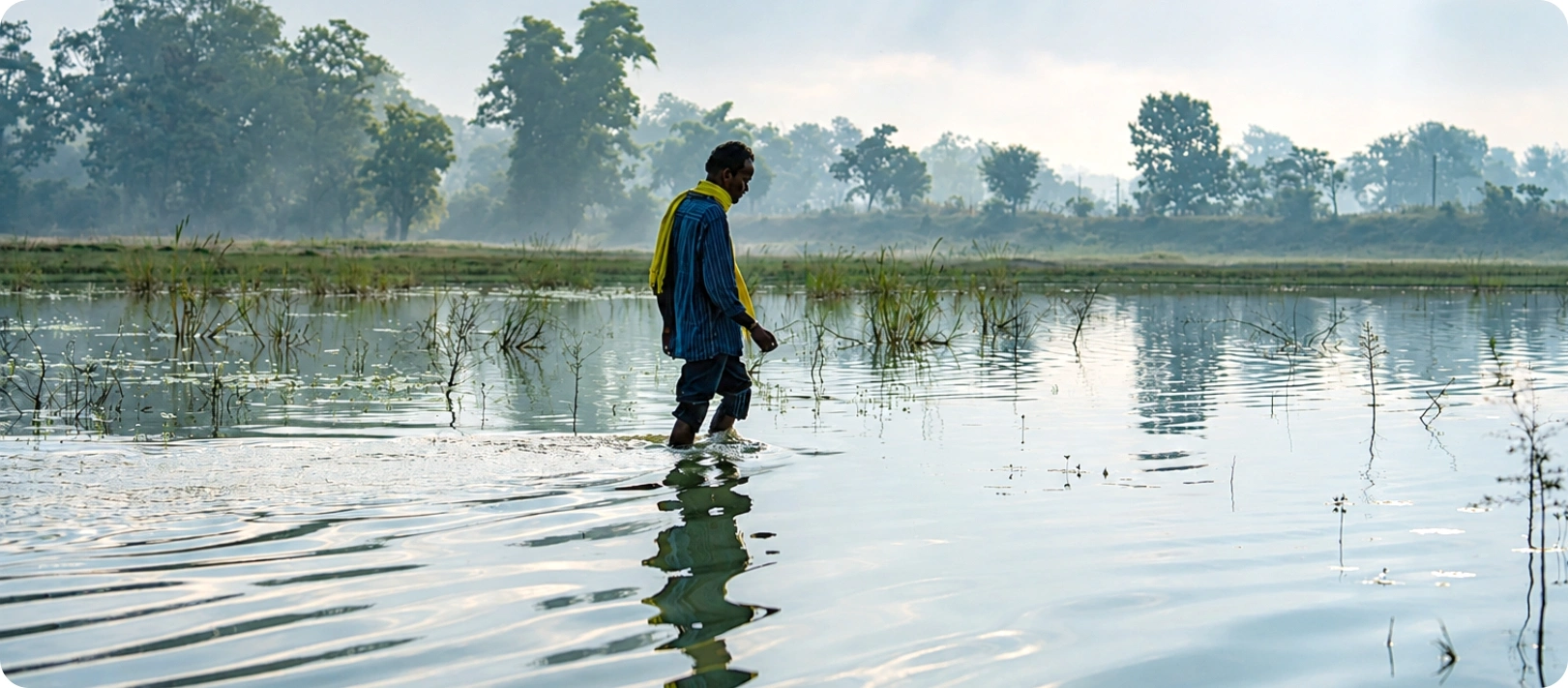
Groundwater depletion, shrinking recharge zones, ecological degradation, and rising demand are placing India's water resources under severe strain, threatening both drinking water security and livelihoods.
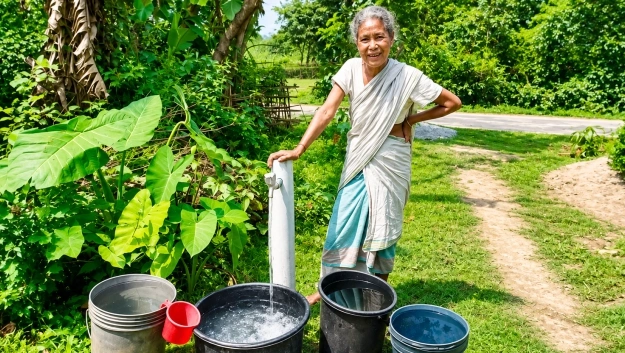
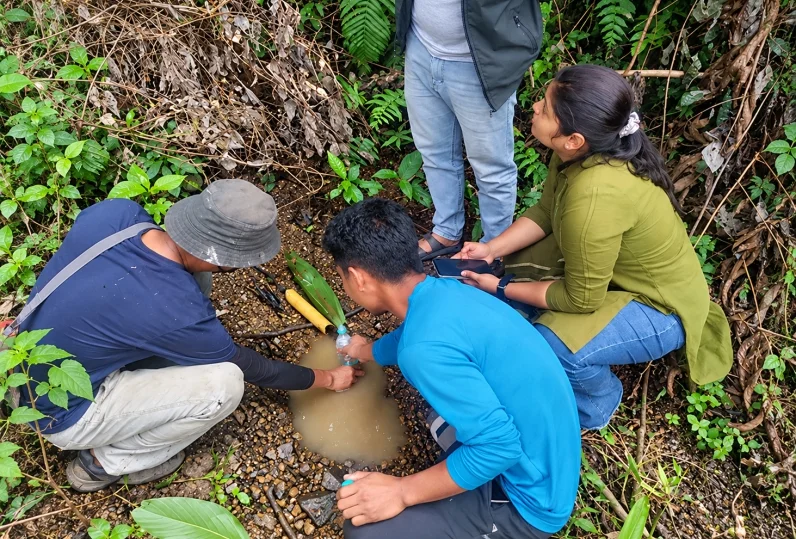
Water contamination has emerged as a critical issue. Fluoride, iron, arsenic, salinity, and microbiological contamination affect water sources across the country, often driven by over-extraction, poor wastewater management, and environmental degradation. Each year there are over 16 million cases of waterborne disease, primarily linked to microbiological contamination, highlighting an urgent need for strengthened water quality monitoring, treatment, and source protection.
While access to infrastructure has expanded significantly, ensuring reliable, safe, and sustainable services remains a priority. Water supply systems, sanitation infrastructure, and waste management solutions often struggle to perform effectively, over the long term, where systems remain intermittent or quality assurance is weak, households continue to fall back on unsafe or unreliable sources, diluting the public health gains that the infrastructure was meant to secure.
Effective water management depends on strong local institutions. However, village-level institutions often lack the capacity and financing needed to manage systems, making institutional weakness a key barrier to long-term sustainability.
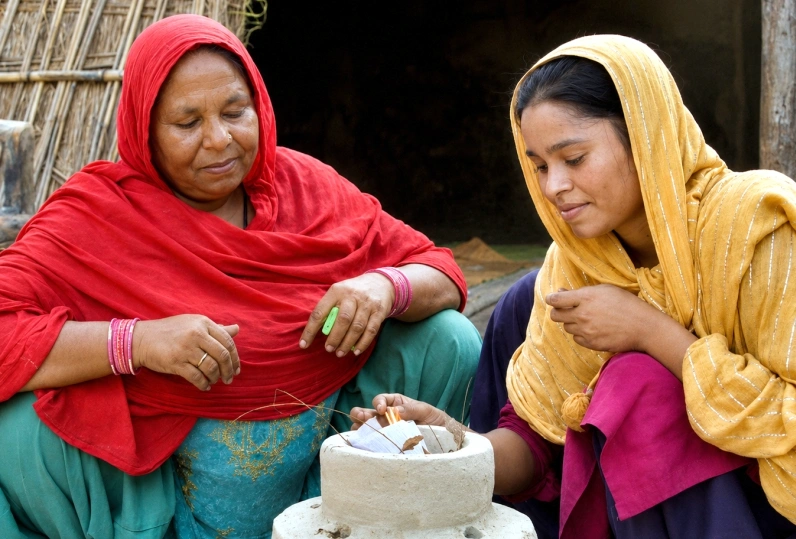
Infrastructure alone cannot guarantee outcomes. Social norms, behavioural practices, and unequal participation in decision-making continue to influence access to safe water, sanitation, and hygiene, particularly for women and vulnerable groups.
Climate change is intensifying existing issues through erratic rainfall, prolonged droughts, extreme weather events, and increasing pressure on water resources. Building resilience to these impacts is now central to sustainable WaSH outcomes.
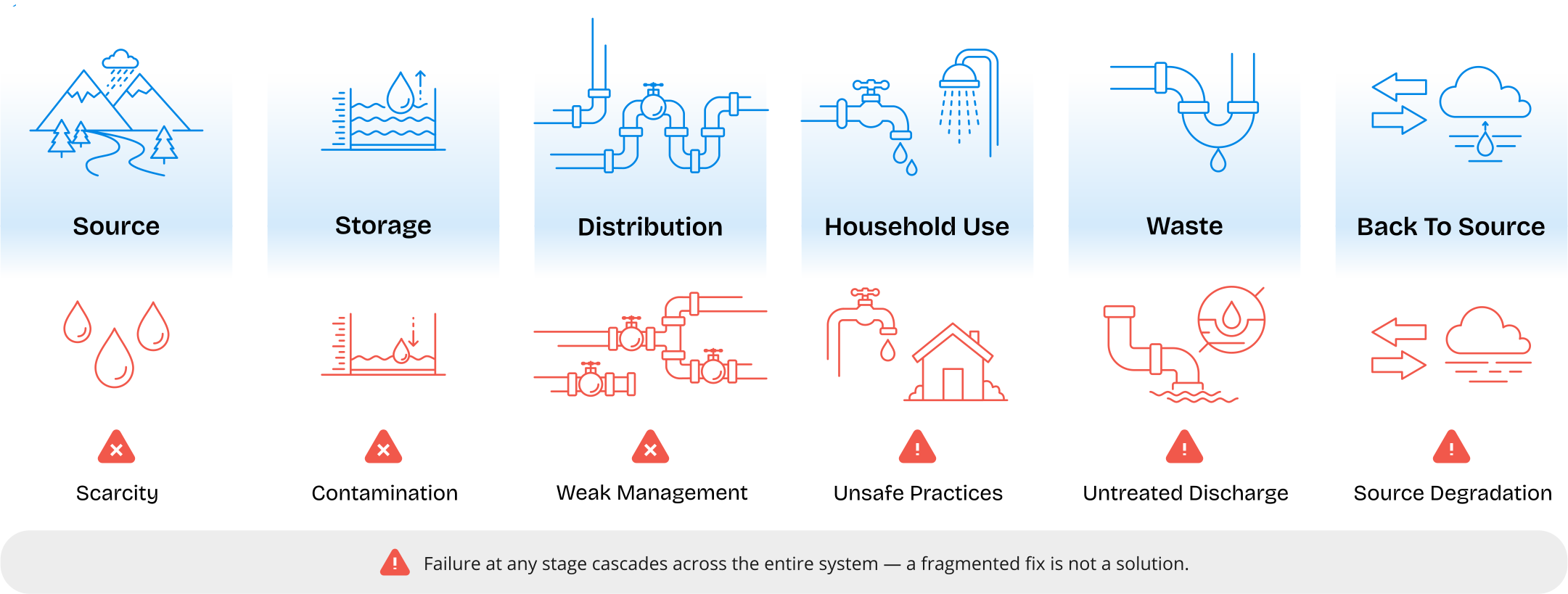
The Tata Trusts' WaSH strategy is anchored in a One Water approach, which recognises that all water uses are interconnected and drawn from the shared resource base. This is operationalised through a systems integration model linking source sustainability, service delivery, and long-term governance.
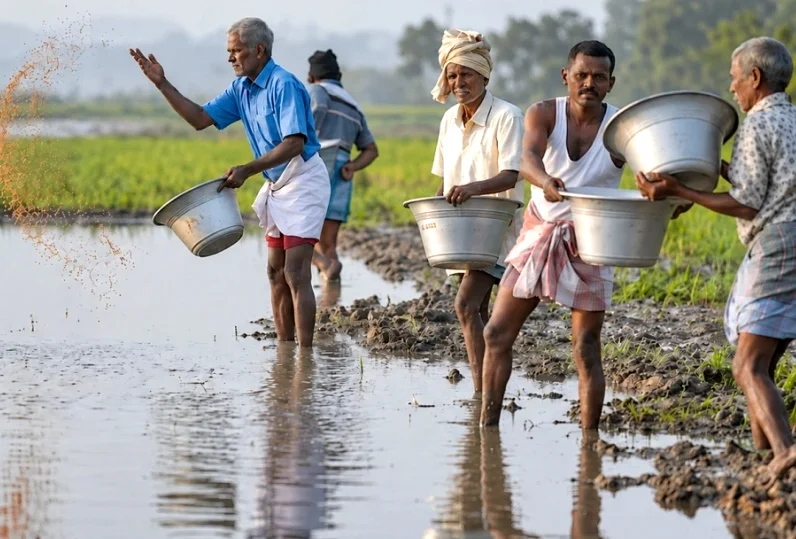
Water within communities serves three key purposes:
The Tata Trusts work alongside communities, local institutions, technical experts, civil society organisations, and government agencies to develop the systems that support long-term water security. The approach combines scientific knowledge with local engagement, promotes women's leadership in water governance, and builds local ownership so that solutions remain effective long after project implementation.
The Tata Trusts' WaSH programme is organised across three thematic areas that address immediate needs while strengthening the foundations for long-term sustainability. Across all three key priority areas, equal emphasis is placed on infrastructure, behaviour change, community stewardship, and local governance systems to ensure lasting impact.
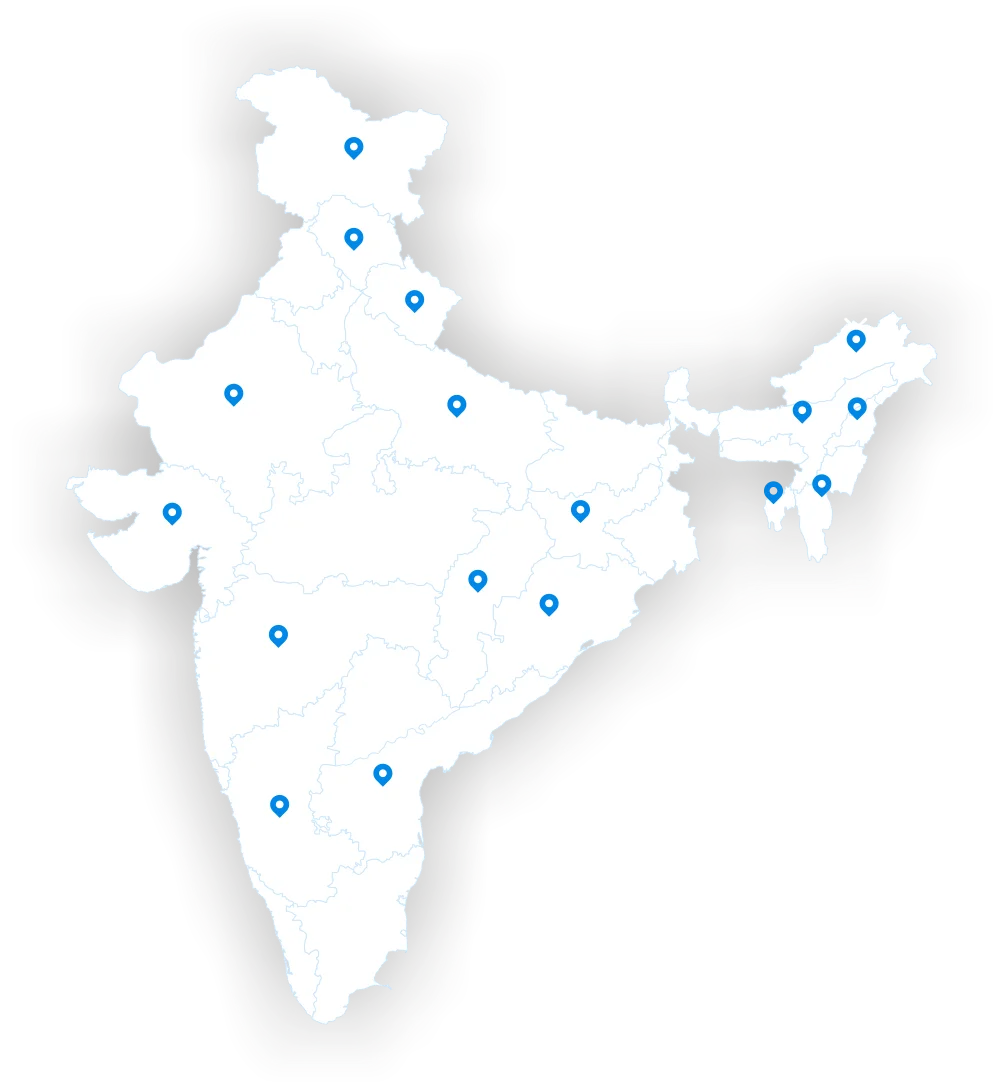
The geographic footprint continues to expand through government partnerships, MoU-based collaborations, and a consortium model that brings together civil society organisations and technical institutions within a shared implementation framework.