Introduction
to the Tata Trusts
Know the
work we do
Discover our impact
stories and campaigns
Publications
and reports
In the media
Opportunities
for impact




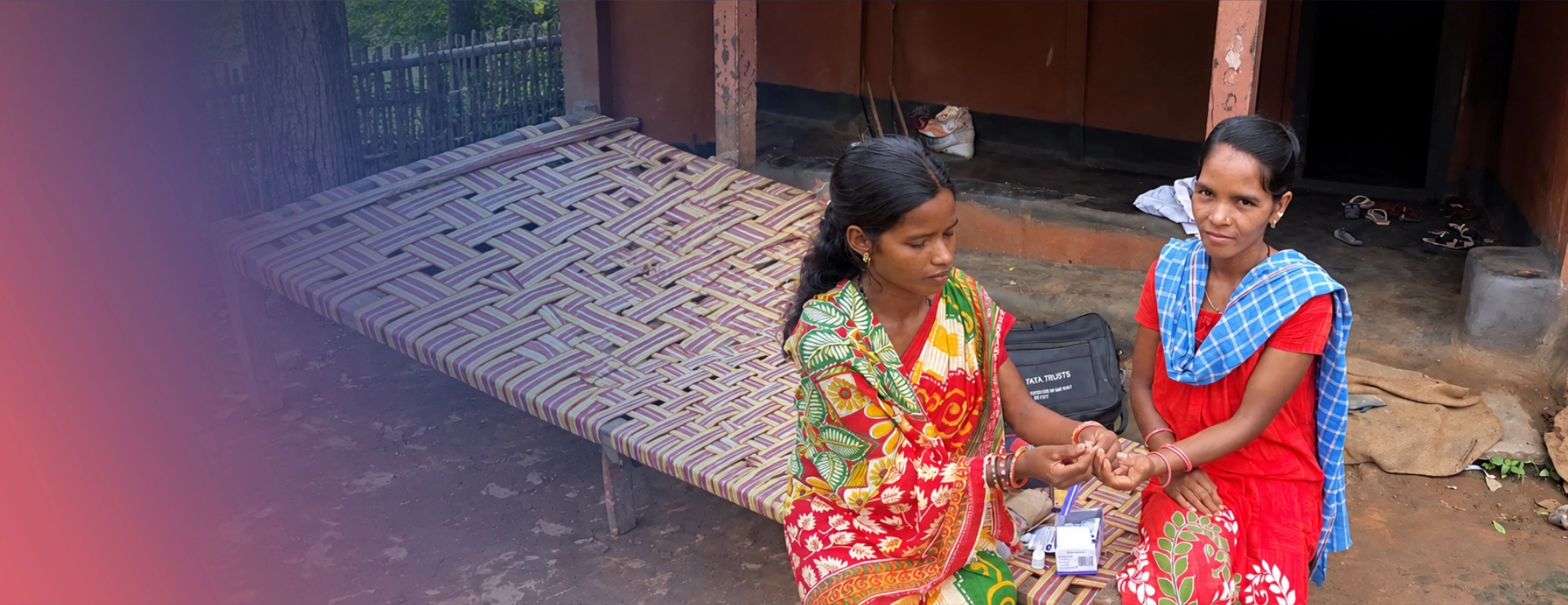
Even as India has eliminated smallpox, polio, and guinea worm, communicable disease remains a heavy burden in exactly the geographies where the Trusts work. India accounts for 26% of the world's tuberculosis cases; drug-resistant TB is an intensifying threat. Dengue cases rose 83% between 2019 and 2023. Malaria, leprosy, kala-azar, and lymphatic filariasis persist in the poorest districts, and antimicrobial resistance is quietly undermining treatment across the board.
Active case-finding, community-level diagnostics, and integration into the primary care platform can accelerate India's national elimination targets while protecting the populations who are hit first and hardest.
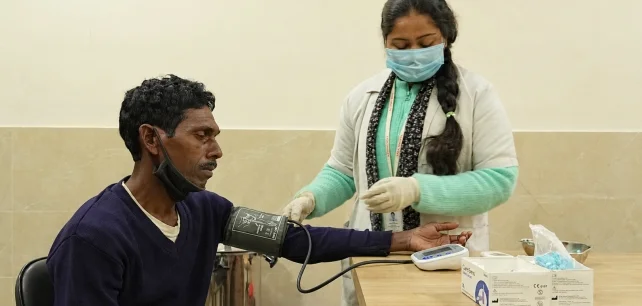
Strengthening TB care through improved diagnostics, clinic-level quality enhancement, and digital tracking systems to support treatment adherence. This is complemented by technology-led tools such as TB Send for safe sputum transport.
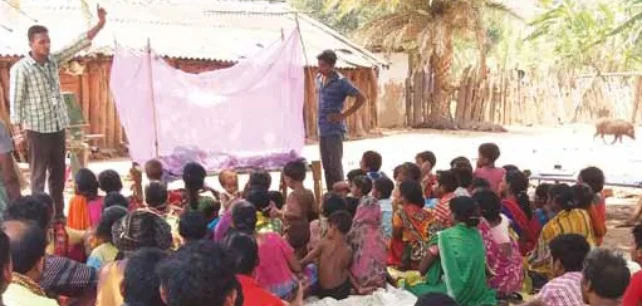
Integrated efforts to tackle malaria and encephalitis in tribal and forest-fringe areas through prevention, early detection, treatment, vector control, and community awareness.
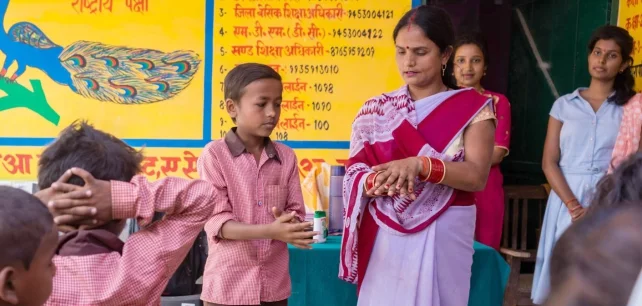
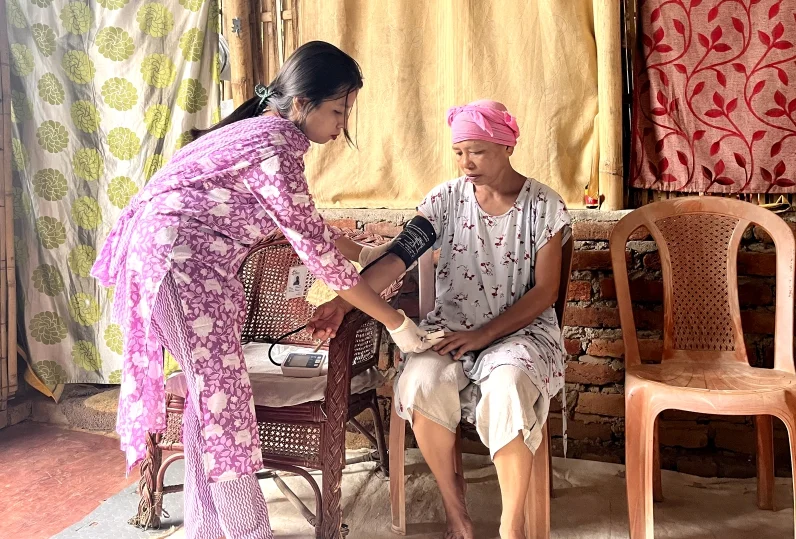
Expanding access to essential care in tribal and remote regions through integrated primary healthcare models, while strengthening existing public health facilities, frontline capacity, diagnostics, referral systems and technology-enabled care.
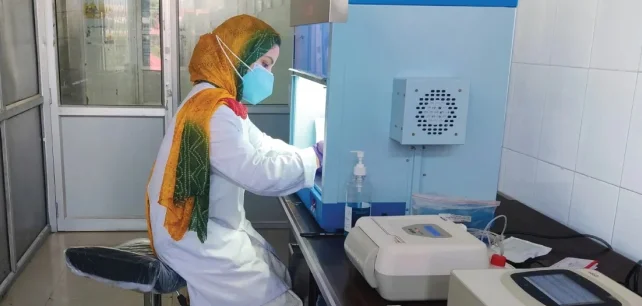
Addressing antimicrobial resistance, climate-related health risks, and neglected tropical diseases as part of a broader response to emerging public health threats. The approach focuses on strengthening adaptive, system-wide responses across primary care and community health systems.