Introduction
to the Tata Trusts
Know the
work we do
Discover our impact
stories and campaigns
Publications
and reports
In the media
Opportunities
for impact





Philanthropy has long been part of India's social fabric. But over time, the idea of giving began to take on new forms, moving beyond immediate relief towards creating opportunities for lasting social progress.
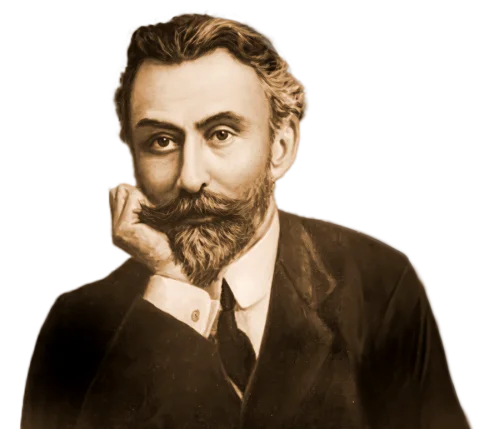
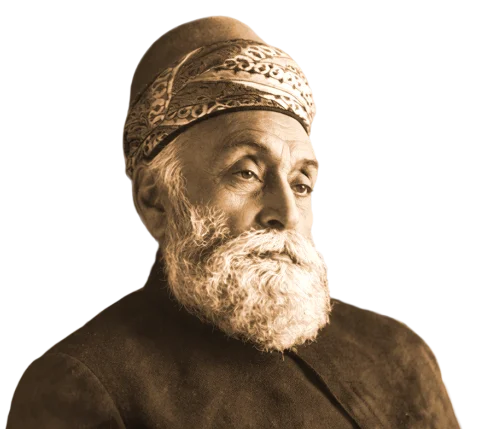
At a time when India was under colonial rule, a visionary businessman, Jamsetji Tata, recognised that the country's progress required not only economic freedom but also intellectual advancement through higher education and scientific research. He believed that wealth could be directed towards creating opportunities for those with ability and promise, enabling them to contribute to the nation. He termed this approach "constructive philanthropy" - supporting the gifted and creating the means through which their abilities could be placed in service of society. This vision took shape through initiatives such as the JN Tata Endowment, established in 1892 for higher education, and his efforts towards establishing the Indian Institute of Science for advanced education and scientific research.
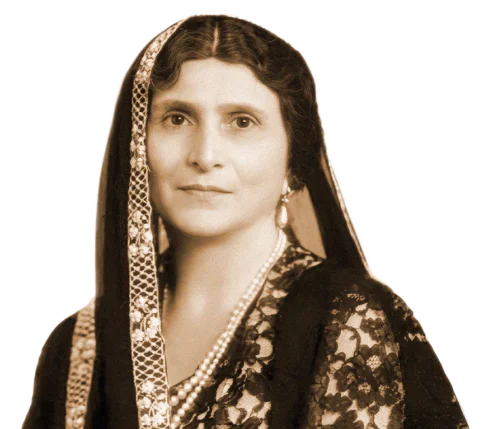
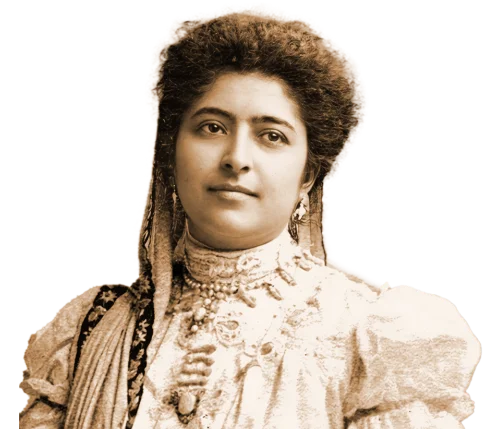
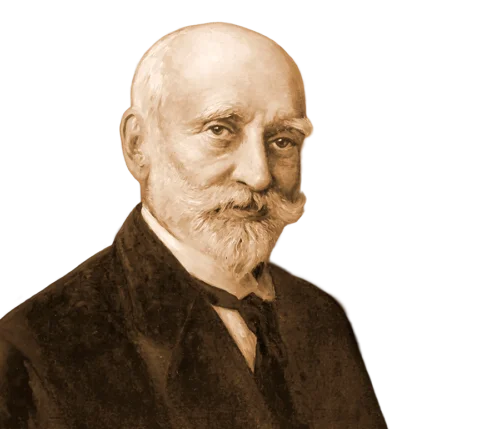
His sons, Sir Dorabji Tata and Sir Ratan Tata, carried this vision forward by establishing two charitable trusts, giving the family's philanthropy an enduring institutional form. The Trusts carry forward this legacy, remaining committed to the nation and its people.
Over the decades, the Trusts have recognised changing social needs and created avenues for development through institutions, programmes and initiatives across diverse areas. Today, they work with partner organisations to support innovative ideas, address gaps and incubate long-term solutions that contribute to lasting social development.
Here is a selection of stories about our founders and the values they lived by. They form an enduring legacy that continues to shape the Tata Trusts today.
3 March, 1839 — 19 May, 1904

27 August, 1859 — 3 June, 1932
23 September, 1877 — 20 August, 1965