Introduction
to the Tata Trusts
Know the
work we do
Discover our impact
stories and campaigns
Publications
and reports
In the media
Opportunities
for impact




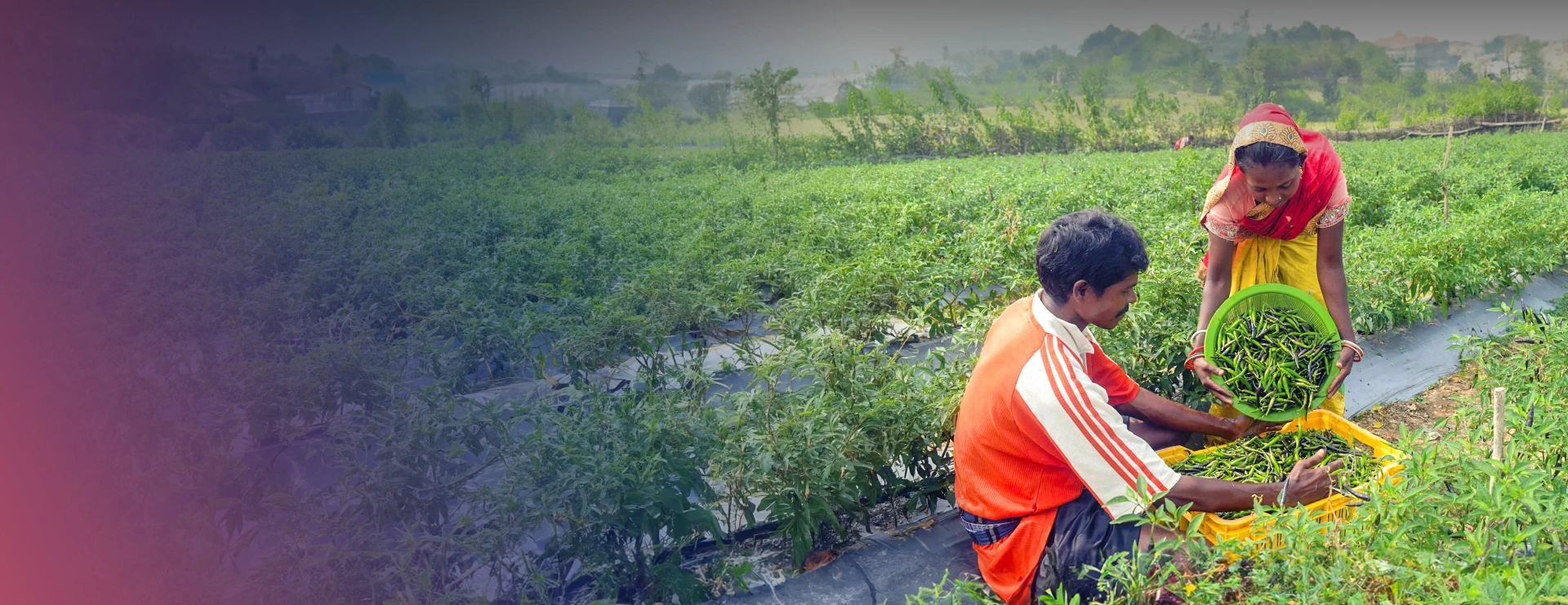
Agriculture remains central to rural livelihoods in India, particularly across rain-fed, tribal, and ecologically vulnerable regions. However, climate variability, declining soil health, shrinking landholdings, and limited access to quality inputs and markets continue to affect farm resilience and incomes.
Aligned with national priorities around ecological resilience, regenerative farming, agroforestry, and sustainable food systems, the Tata Trusts support efforts that strengthen productivity, diversify incomes, and improve ecological resilience.
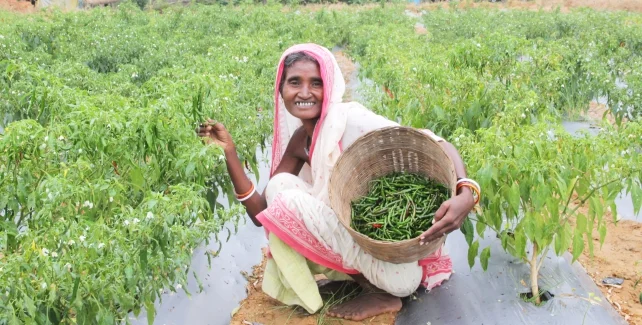
Launched in 2015, the Lakhpati Kisan initiative is the Trusts' flagship rural livelihoods programme. It supports diversified and more stable livelihood models that strengthen farm productivity, reduce vulnerability, and improve household incomes.
To know more about how the initiative empowered a woman farmer to become a community leader Click here.
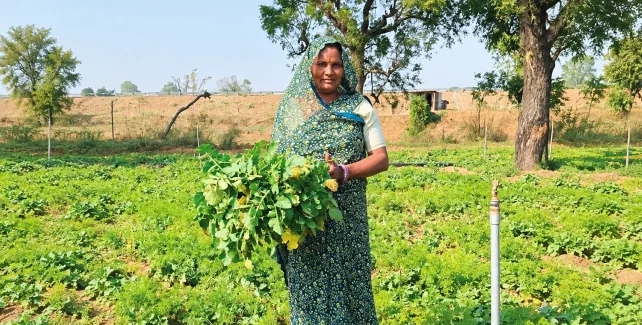
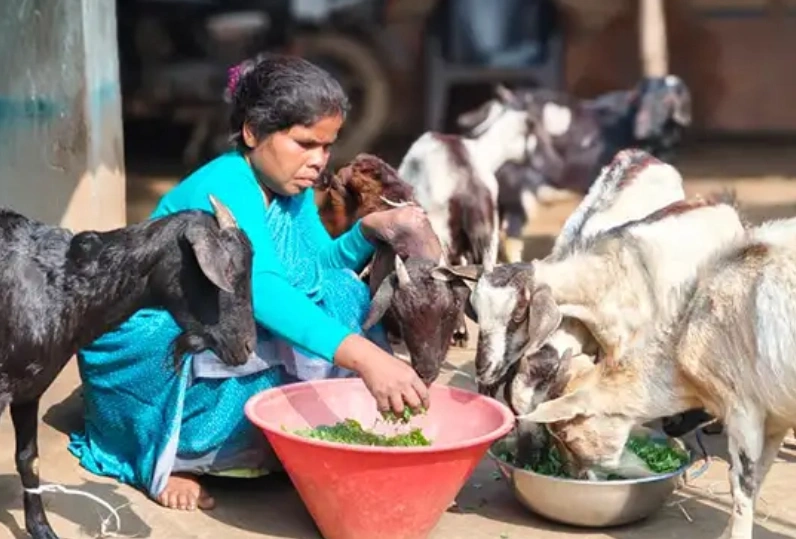
The Climate Smart Agriculture and Livestock (CSAL) Programme, operating across 16 states, promotes sustainable farming systems, water security, and better livestock management to improve productivity, adaptability, and income security.
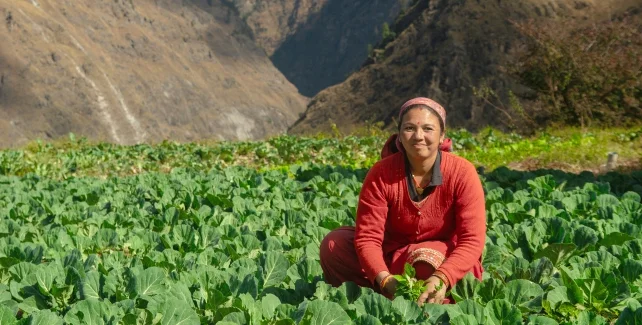
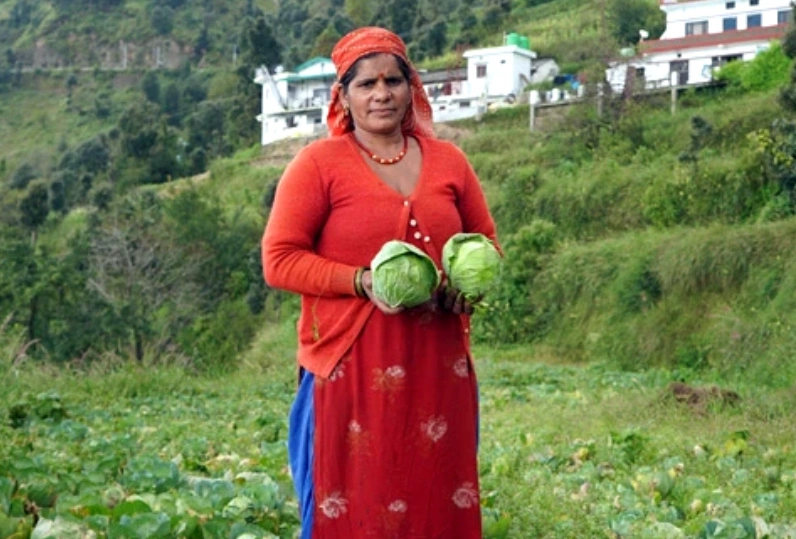
The Maximising Himalayan Agriculture Initiative (MHAI) is a 5-year programme (2023-2028) that aims to transform farming in the Himalayas into a sustainable, commercial agri-economy by integrating scientific training, technology, and robust market access.
To know more about how our initiatives sowed seeds of confidence in a smallholder farmer in Uttarakhand Click here.
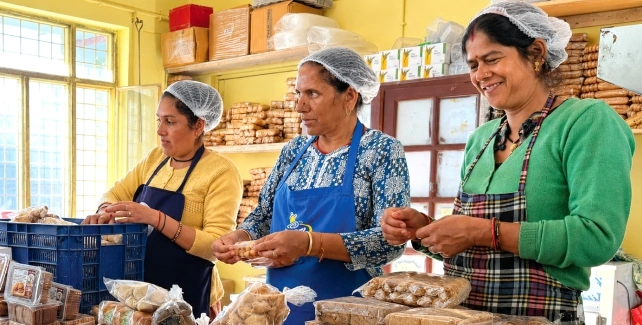
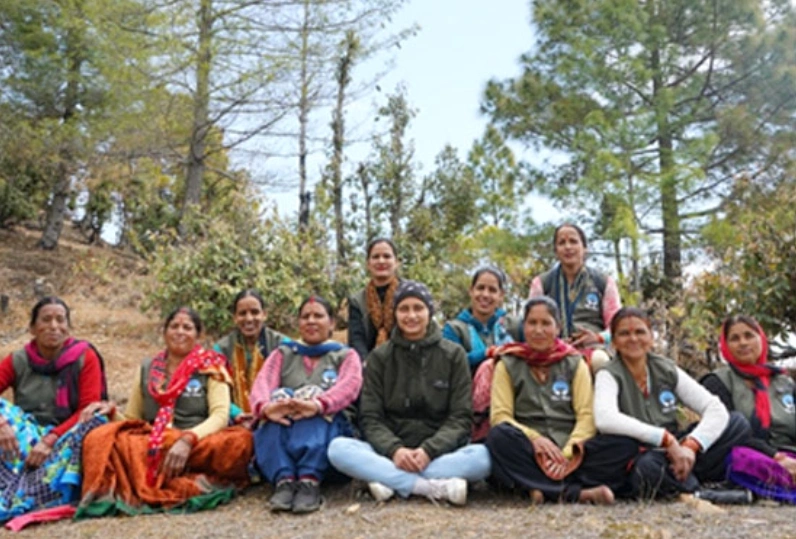
The Gender Inclusive Livelihoods Through Financial Inclusion in Uttarakhand (GiLU) project focuses on strengthening women-led livelihoods, financial inclusion, and community institutions. The initiative supports Mahila Kisan (women farmers) through livelihood training, enterprise development, and improved access to financial systems and local market opportunities.