Know
Us

Introduction
to the Tata Trusts

Explore
Our Work

Know the
work we do

See
Change Unfold

Discover our impact
stories and campaigns

Discover
Insights

Publications
and reports

Follow
Updates

In the media

Join
Us

Opportunities
for impact

Publications and Reports


Menstruation: A vital sign of health

World Menstrual Hygiene Day, globally observed on May 28, is more than just a date. It’s a movement. A movement to break the silence, dismantle taboos, and advocate for menstrual health and hygiene as a fundamental human right. A movement to create a world where menstruation is no longer a barrier to health, education, and dignity

Across developing nations, especially in India, the simple biological process of menstruation continues to be treated as anything but simple. What should be an ordinary, healthy sign of a functioning body remains entangled in taboos, misinformation, shame, and silence. For many of the 336 million * menstruating women and girls in India , the lack of accurate information, hygienic products, and supportive environments turns a natural process into a source of anxiety.

The consequence? Dignity becomes conditional. Health, compromised.

On this World Menstrual Hygiene Day, let’s shift the conversation — from seeing periods as a problem to be managed, to recognising them as a vital sign: a marker of overall health and well-being.

The Tata Trusts, through their Water, Sanitation and Hygiene (WaSH) initiatives, approach menstrual health not as a standalone issue but as part of a broader effort to drive social and behavioural change.

*Source: NFHS 2015-16

The Tata Trusts' Approach to
Menstrual Health and Hygiene Management

Awareness Gaps

71%

of girls in India had no prior knowledge of menstruation before their first period.

70%

mothers consider menstruation dirty.

64%

of adolescent girls and women reported fear or worry as their first reaction to menstruation.

50%

of schools surveyed in the Tata Trusts' geographies had health workers, but they were not trained to offer information on menstrual health.

45%

do not consider menstruation normal.

Tata Trusts' Menstrual Health & Hygiene Management - Dignity, Wellbeing, Empowerment (2023)

Affordability and Access

63 million

adolescent girls in India live in homes without a toilet.

Only 64.5%

adolescent girls use sanitary napkin - cost remains a major barrier for low-income households.

Only 4%

of adolescent girls and 4.8% of women seek medical help for menstrual pain.

Sources: Menstrual Health in India | Landscape Analysis, a report by global non-profit FSG, in 2016 Baseline study commissioned by the Water Supply and Sanitation Collaborative Council (WSSCC) and Tata Trusts baseline survey.

Tata Trusts' Approach: A Behavioural Shift

MHM
education

for girls, women, boys and men

Dispelling
myths

& taboos

Building
awareness

of human biology

Engaging with
schools

Sustainable
disposal
methods

Community
livelihoods &
sustainable
sanitary
products

Social
behaviour
change

Advocacy

with community & government bodies

What Change Looks Like

191,200+
women
and girls

now speak more openly about menstruation.

129,000
(approx.)

are now practicing safe and improved hygiene habits.

9,000
(approx.)

boys and men reached through sensitise modules.

83%

talk to family about menstrual issues - up from 36% in control areas.

65%

of health camp attendees identified with RTI/STI issues. They received treatment or referrals.

Sources: Menstrual Health in India | Landscape Analysis, a report by global non-profit FSG, in 2016 Baseline study commissioned by the Water Supply and Sanitation Collaborative Council (WSSCC) and Tata Trusts baseline survey.
At the heart of our approach is the EPIC model, a holistic framework: encouraging equitable gender norms through behavioural change, promoting social entrepreneurship, inculcating safe and hygienic habits, and creating awareness and responsible disposal.

The Tata Trusts have been actively sensitising women and adolescent girls by promoting awareness around a ‘basket of choice’—offering multiple menstrual products such as reusable pads, single-use options, and menstrual cups—while placing women’s health at the core of the programme. Additionally, boys and men in schools and communities are engaged to break the silence and stigma surrounding menstruation, fostering more inclusive dialogue.

This community-led model has reached thousands of women, girls, and families across rural India, reframing menstruation not merely as a hygiene concern but as a critical indicator of overall health. When addressed holistically, menstruation becomes a gateway to timely healthcare, improved reproductive wellbeing, and often the first signal of underlying health conditions.

Menstruation: The Fifth Vital Sign to Health

Medical professionals now consider menstruation the “fifth vital sign," alongside temperature, blood pressure, heart rate, and respiratory rate. The regularity, duration, and symptoms can offer early insights into a person’s hormonal balance, nutritional deficiencies, and even chronic conditions. Irregular periods, excessive pain, or unusually heavy bleeding may indicate deeper issues like polycystic ovary syndrome (PCOS), endometriosis, thyroid dysfunction, or autoimmune disorders, often before other regular symptoms surface.

Nutritional deficiencies, particularly in iron, vitamin D, and B vitamins, can cause fatigue, irregular cycles, or prolonged bleeding. Conditions like anaemia are common among menstruators with untreated heavy flow, impacting energy, immunity, and long-term health. Menstrual pain, too often dismissed, can impair daily functioning and mask more serious conditions when left unaddressed. All in all, good menstrual health is tightly linked to broader wellbeing.

Therefore, tracking one’s cycle through mobile/web apps or simple journals or calendar can help menstruators detect patterns and signal early signs of health issues. As women enter perimenopause, menstrual shifts may reflect normal transitions or signal issues that require attention. In either case, recognising menstruation as a key health indicator, not a taboo, is essential to achieving gender-equitable, responsive healthcare.

#MaheeneKoSehatSeJodo
A behaviour change campaign to reframe menstruation

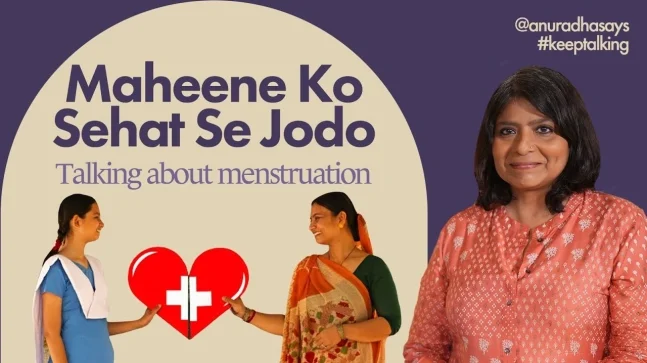
‘Maheene Ko Sehat Se Jodo’, the Tata Trusts' latest Social & Behavioural Change Communication campaign which comprises six open-source films, a tool kit and other collaterals, aims to enable communities to shift the perspective on menstruation—from just an indicator of fertility to a vital symbol of health. This campaign aims to break taboos, raise awareness, and promote menstrual health as an essential part of a woman's life.

We look forward to the campaign being used to spark conversations and drive lasting change, in schools, community sessions, or healthcare settings, by educators, health workers, NGOs, and anyone working to create safer, healthier spaces for menstruators.

To aid dissemination at the grassroots level, the campaign comes with a Standard Operating Procedure, a practical guide for teams working closely with communities. It can be used across India and adopted by any organisation working on menstrual health and hygiene. Access the SOP.

"As a mother, I now understand how to support my daughter in maintaining menstrual hygiene and tracking her periods," says a beneficiary from Golakganjh, Assam

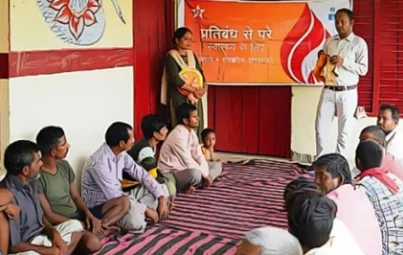
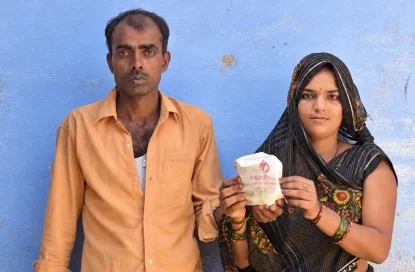
"Earlier I was not much aware of menstruation and its related issues which the women face, but after discussion with MHM staff, I have understood my role to support my wife," says Bhura Ram, from Sirohi, Rajasthan, who attended the couples counselling sessions with his wife, Sepi Devi.

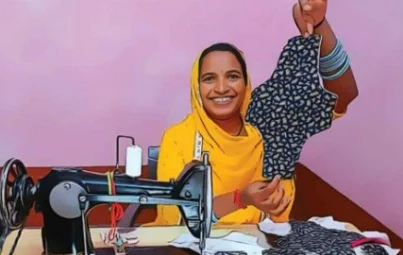
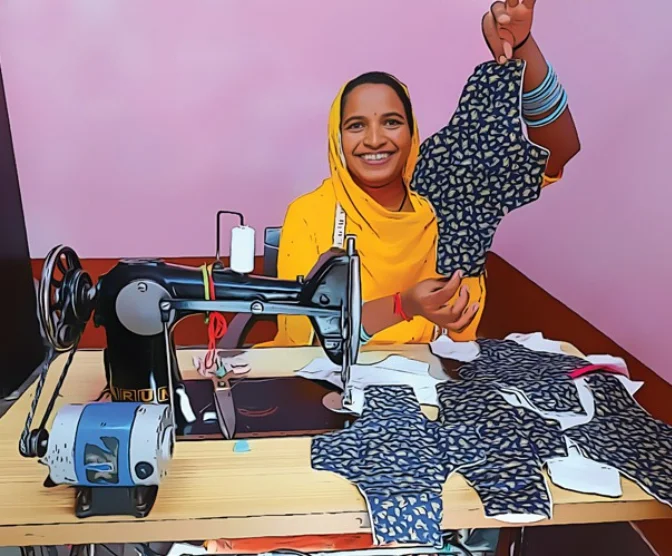
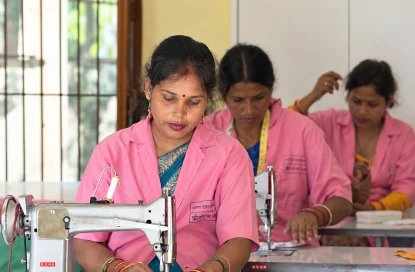
Community member making reusable menstrual products

"Now I can choose menstrual products wisely and understand the importance of using reusable cloth pads safely," says a beneficiary from Barobazar, Assam.

"There's so much to learn about periods that I never knew before," says Bobita, after attending the MHM sessions in Hathkula, Assam.

"The training cleared several misconceptions in my mind about menstruation," says Malaya Das, a Sakhi from Dokoha village in Nalbari district, Assam.

#MaheeneKoSehatSeJodo

The Tata Trusts' Perspective and Progress

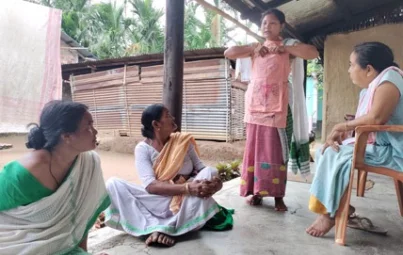
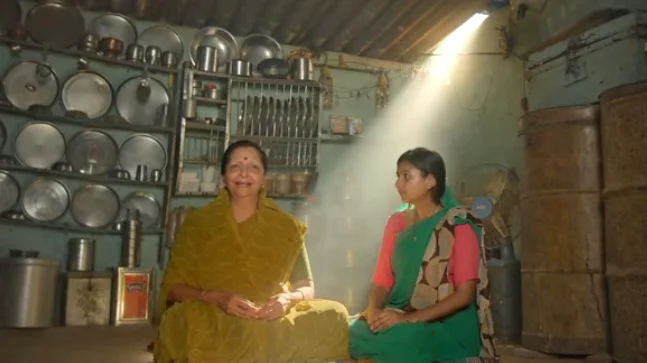
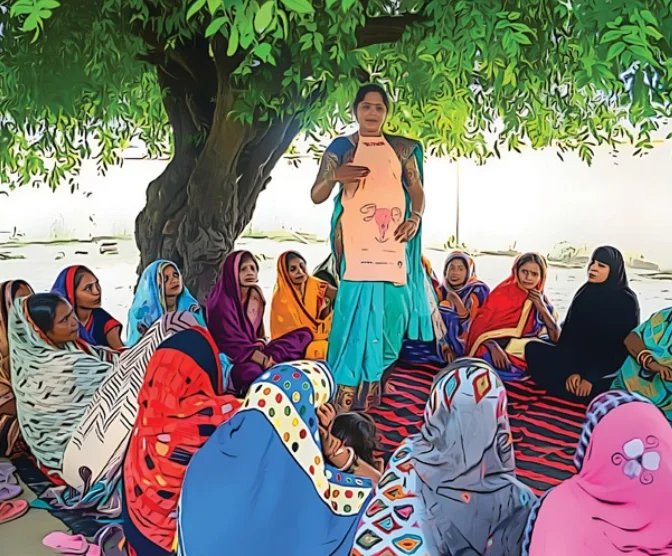
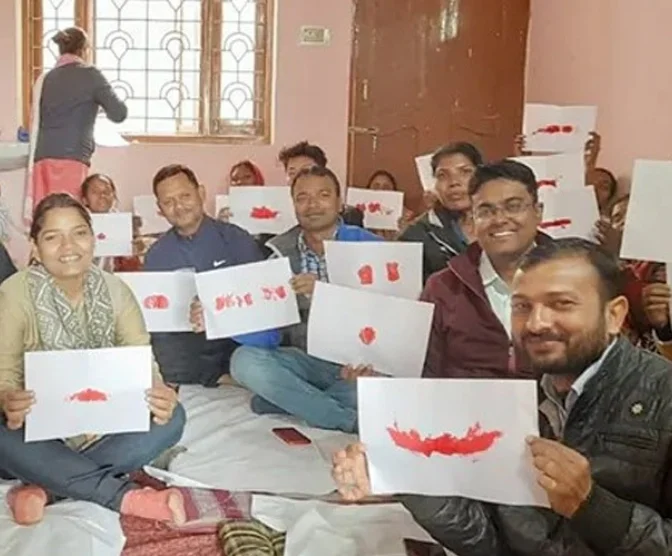
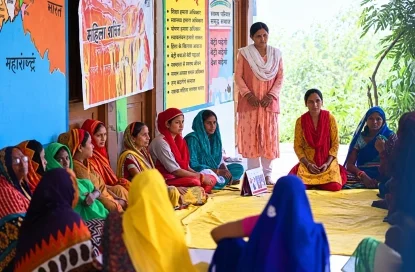
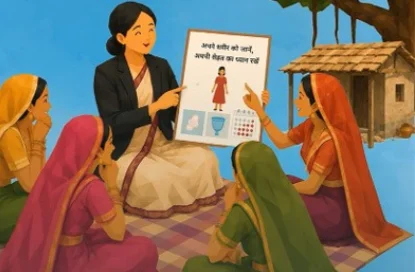
Women participating in a menstrual health awareness session
Myths. Silence. Stigma.
Barriers beyond biology

"You can't enter the kitchen."

"Menstruating women are impure."

"Don't touch babies or plants."

These are social scripts that silence, isolate, and shame. It leads to absenteeism from school and work. Infections like UTIs go unreported or untreated. These beliefs continue to cause harm.

Woman using menstrual hygiene products
Beyond the pad:
It's not just about products

What menstrual hygiene really requires

  • MHM friendly toilets with privacy, water, light
  • Trained educators
  • Open conversations that break the silence
  • Affordable, reusable options
  • Disposal that's safe and sustainable
  • Access to care when periods signal something's wrong

Because good menstrual hygiene is about dignity, health, and equity.

Woman producing reusable menstrual products
From Silence to Support: The Trusts' factor

Tata Trusts addresses menstrual hygiene as a health, social and infrastructural challenge. Through its interventions, we bring together awareness, access, and action.

  • Active in 8 states, 1,400+ villages
  • 200,000+ women and girls with dignity-driven solutions
  • 300+ trained Sakhis as community mentors
  • School and community sessions on MHM
  • DIY cloth pad tutorial viewed widely during COVID
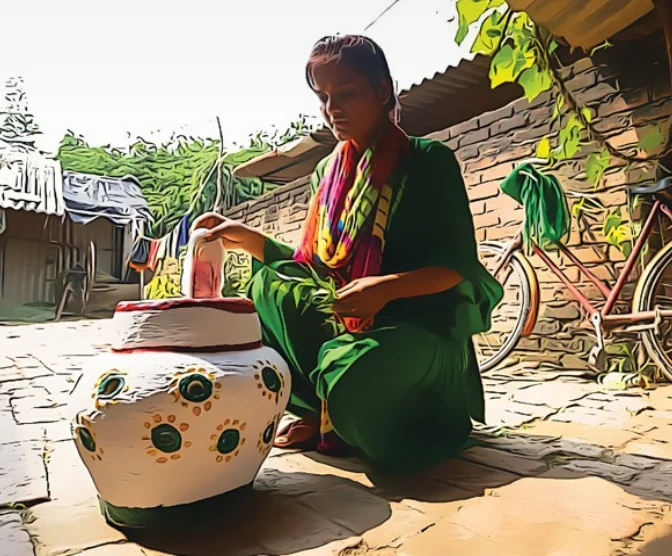
  • Matka incinerators for rural-friendly disposal
  • Programmes for boys, men, teachers, and health workers

Because periods affect everyone and so should the solutions.

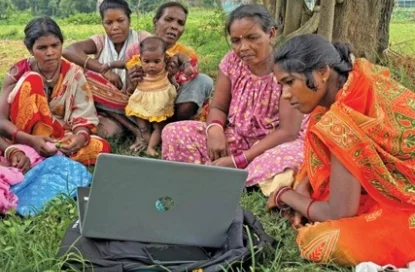
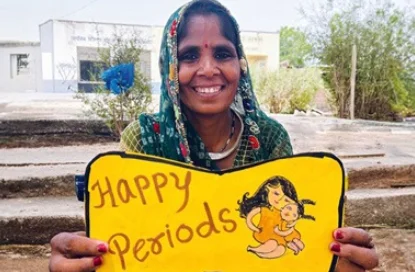
Community members supporting menstrual health awareness
Everyone Has a Role in a
#PeriodFriendlyWorld

Creating change is a shared responsibility. Change begins when silence ends.

  • Parents — Talk openly with your children
  • Teachers — Include menstruation in health lessons
  • Men and Boys — Be allies, not bystanders
  • Institutions — Ensure safe toilets and supplies
  • Media and Society — Normalise conversations
  • You — Speak up. Share. Support.

Because good menstrual hygiene is about dignity, health, and equity.

Impact Stories

Taboo busting

A menstrual hygiene programme in Jharkhand is promoting better healthcare while dismantling generations-old myths and misconceptions.

Naturally healthy

The impactful menstrual hygiene management programme has reached more than 191,OOO rural women and adolescent girls — and some 45,000 boys and men as well — In seven states.

A mother's courage: The first step toward change

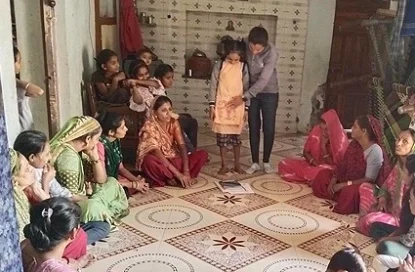
With awareness sessions on menstrual health, the Tata Trusts are empowering women in villages of Gujarat to challenge long-standing traditions.

Advancing Menstrual Health in Rural Sasna

From ignorance to awareness, Gopal's journey began when his wife Sheela's silent struggles with menstrual health prompted him to attend a transformative MHHM workshop that reshaped his understanding and strengthened his relationship with his wife and daughter.

Cloth Pad Production: Entrepreneurial opportunities for SHGs

During the COVID- 19 lockdown, SHGs and women like Sheela Soni, supported by Tata Trusts, began making reusable cloth pads—turning a crisis into a model of empowerment and sustainable change.

Success of Sakhis: Building community outreach

Sakhis, trained by the Tata Trusts to educate and support their communities, are breaking long-held taboos around menstruation. Their success is not just in the numbers reached, but in the cultural shifts they are helping to create.

From Social Media SLIDERS

Understanding menstruation replaces silence with self-care

In rural communities, the Tata Trusts work with partner organisations to foster a conducive environment that gives women the language, knowledge, and confidence to better understand their own bodies.

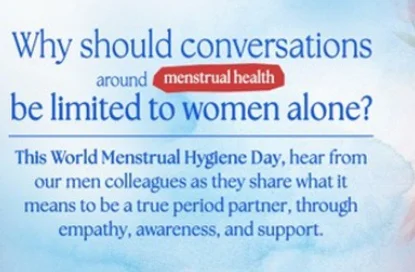
It's time for more men to be Period Partners

Menstrual health was never meant to be a conversation women have alone. Men can become supportive period partners by listening without discomfort, showing up without being asked, and choosing to understand.

Signs of Good Health

Normalising the conversation is where it begins. Not just for the girls learning to navigate it, but for everyone in the room, so women can feel more supported and less shamed.

Silence shapes stigma. Conversations shape change.

Girls who once stayed silent are finding the language to speak up, because it's clearer to them that menstruation is simply a sign of good health, and nothing more.

When Men become Period Partners

Across Rajasthan, Tata Trusts and partner organisations are helping men become supportive period partners by encouraging open conversations around menstruation within families and communities.

From Silence to Celebrations

We asked women and girls what they truly feel about their periods and found that when the mindset shifts, so does tone of the conversation and the way a woman understands her own body...

Changing what a 'First Period' means

"lt is also a question of whether women have the information, privacy, and agency to navigate menstruation with dignity." — Divyang Waghela, Deputy Head of Programmes and Head, WaSH, Tata Trusts.

Cloth Pad Production: Entrepreneurial opportunities for SHGs

During the COVID- 19 lockdown, SHGs and women like Sheela Soni, supported by Tata Trusts, began making reusable cloth pads—turning a crisis into a model of empowerment and sustainable change.

Success of Sakhis: Building community outreach

Sakhis, trained by the Tata Trusts to educate and support their communities, are breaking long-held taboos around menstruation. Their success is not just in the numbers reached, but in the cultural shifts they are helping to create.