Introduction
to the Tata Trusts
Know the
work we do
Discover our impact
stories and campaigns
Publications
and reports
In the media
Opportunities
for impact





The urban economy runs largely on informal labour, yet many who sustain it, migrants, street vendors, domestic workers and construction workers, remain outside systems that enable income security. The gap between entitlements and access continues to limit pathways to reliable, sustainable livelihoods and intensifies financial vulnerability.
The Tata Trusts work to strengthen livelihood security through interventions that support more stable and diversified livelihoods, improve access to welfare schemes and financial services for underserved groups, and address structural barriers that restrict workforce participation, enabling greater economic inclusion for women and vulnerable groups.
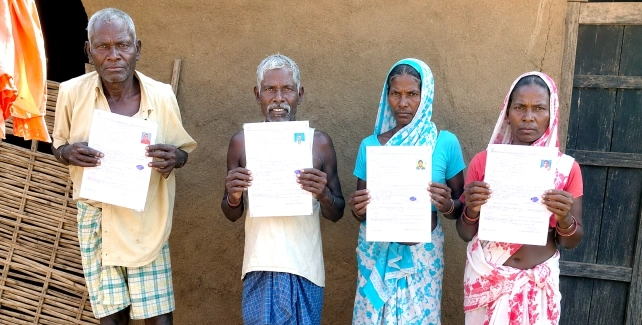
Supporting migrants and informal workers to access government schemes, documentation and other public welfare systems through sustained field engagement and end-to-end support.
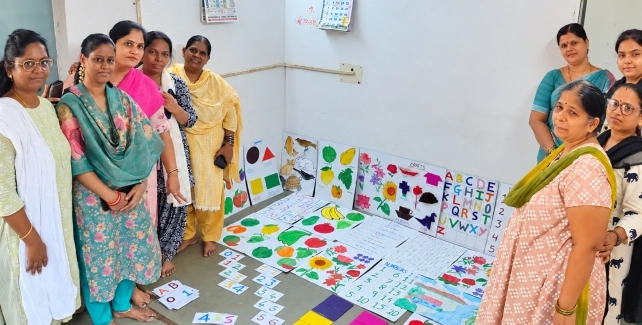
Strengthening childcare support in urban settlements to enable women's economic participation while ensuring safe and supportive environments for young children. Active projects include childcare support in Bhiwandi and a government-linked programme in Delhi.
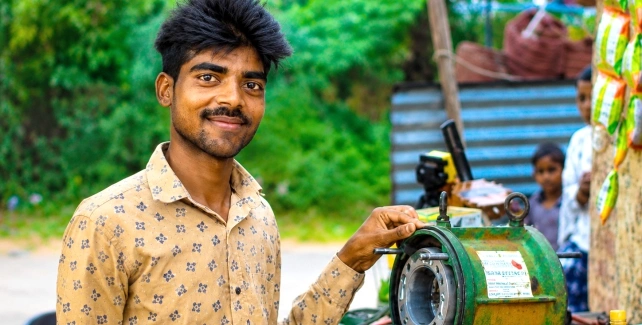
Connecting youth and workers especially women with relevant skilling interventions and livelihood opportunities informed by local labour market realities and long-term employment needs in fast-growing urban contexts.
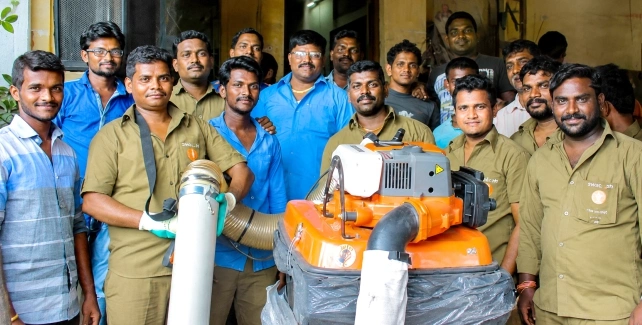
Increasingly recognising and engaging with gig workers as a growing, structurally vulnerable segment of the urban workforce, alongside street vendors, sanitation workers, and other groups who continue to face gaps in access to safety nets and support mechanisms.