Introduction
to the Tata Trusts
Know the
work we do
Discover our impact
stories and campaigns
Publications
and reports
In the media
Opportunities
for impact




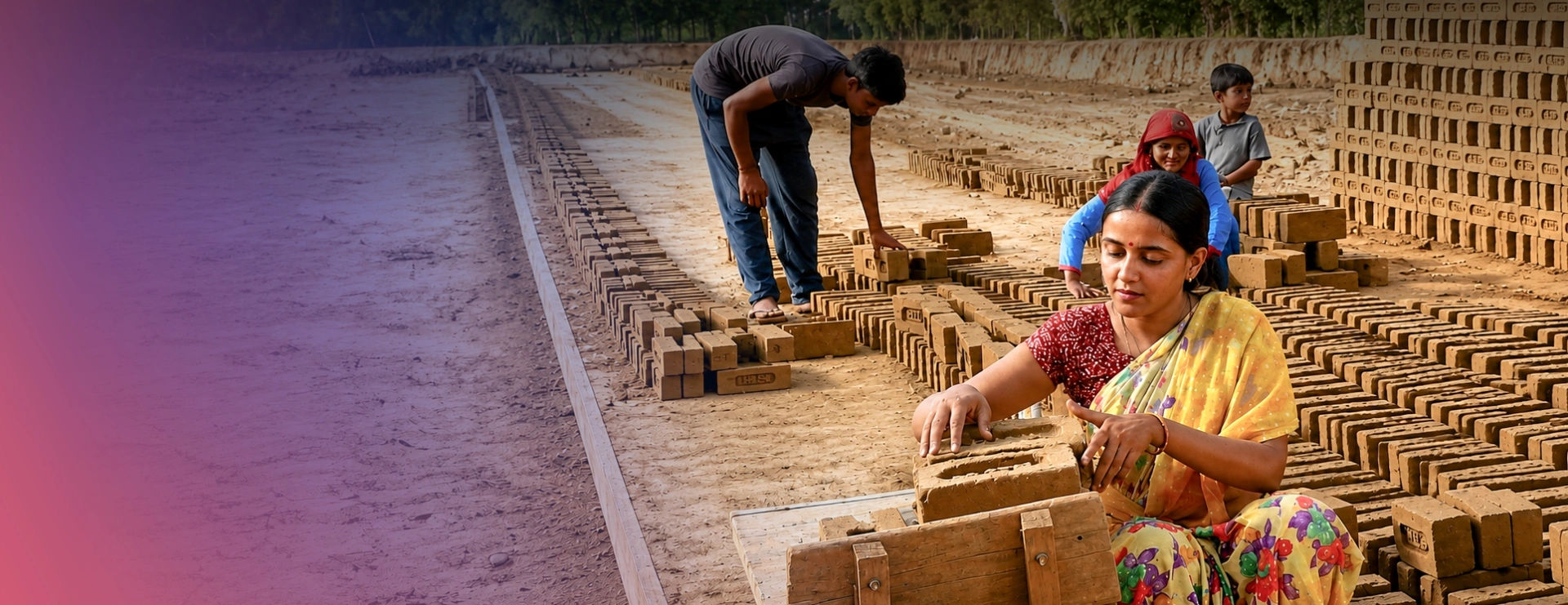
External shocks are amplified where urban systems fall short. Urban communities are increasingly exposed to extreme weather events that undermine health, safety and quality of life. Rising temperatures, unpredictable monsoons, inadequate waste management and poorly planned built environments disproportionately affect those living in vulnerable urban settlements.
The Tata Trusts work to strengthen urban resilience by improving water, waste and built environment through practical, community-centred solutions that reduce exposure to climate-related challenges such as heatwaves and flooding while creating safer, healthier and more functional neighbourhoods.
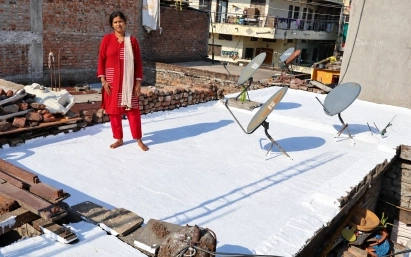
Piloting interventions such as cool roofs and shelters, green roofs and strengthening blue-green infrastructure, alongside reviving traditional approaches such as rejuvenating water bodies, passive ventilation, and community green spaces, to reduce heat exposure in vulnerable communities. Our work in Patan and Anjar, Gujarat, Mira Bhayandar and Chandrapur, Akola, Nanded and Jalgaon in Maharashtra is helping build evidence for scalable heat resilience solutions.
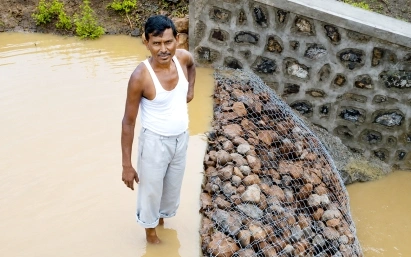
Rejuvenating water bodies and introducing solutions such as rainwater harvesting, traditional well restoration and permeable paving to improve water security and reduce flood risks, including active work in Vidarbha, Maharashtra.
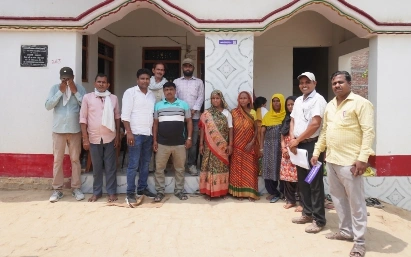
Using GIS and spatial tools to identify infrastructure and service gaps and support more inclusive planning, while strengthening access to safe and dignified housing through convergence with public programmes. Pilot work in two towns in Uttar Pradesh under the Akankshi Nagar Yojana is building a scalable approach to evidence-based urban planning.
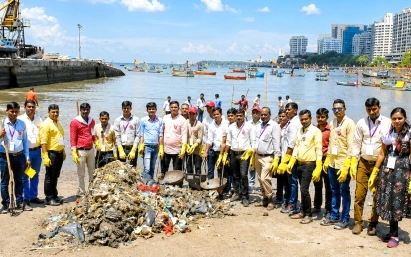
Supporting household-level waste segregation, community composting of wet waste, and strengthening dry waste collection and processing to reduce waste reaching landfills and rivers. Active work is underway in areas around Nagpur and towns along the Ganga basin, recognising that upstream waste directly affects downstream communities, ecosystems, and water quality. Working with bulk waste generators includes addressing organic and floral waste at religious and pilgrimage sites, with active work underway in Haridwar, where such waste streams are often overlooked.
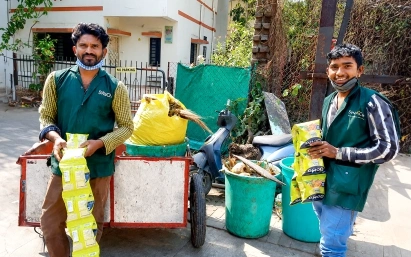
Improving livelihood opportunities, safety and inclusion for waste workers who play a critical role in keeping urban waste systems operational.